

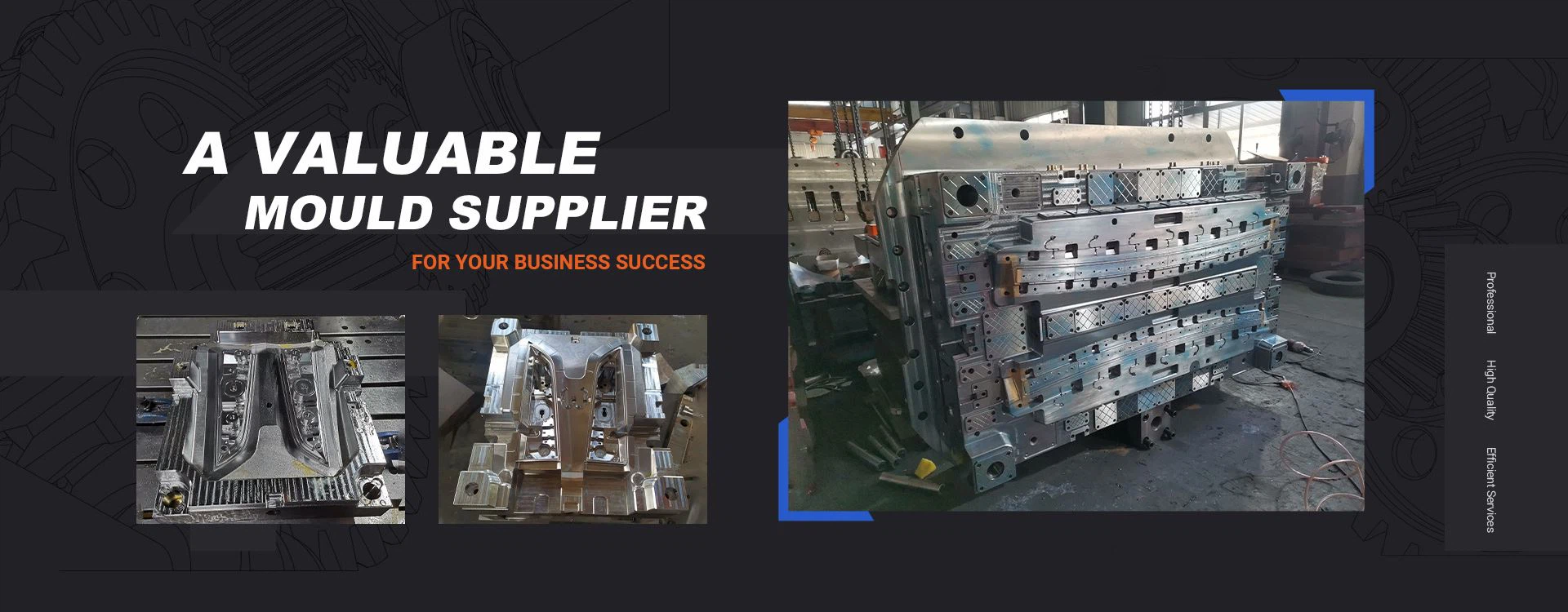
In the field of injection molding, two-color and three-color injection molding refers to injecting two or three different colors (or different materials) of molten plastic into the same plastic product. This type of process is typically used to enhance the aesthetic appeal, functionality (such as combining hard and soft plastics), or manufacturing cost-effectiveness of the product.
I. Detailed Explanation of Two-Color Injection Molding Technology
Two-color injection molding technology combines two different colors or types of plastic materials through injection molding to create plastic products with two distinct colors or material properties.
1. First Color Injection (Base Layer)
First, the first injection unit of the injection molding machine (usually for the main or base color) injects molten plastic into the mold cavity, forming the base structure of the plastic part.
2. Mold Rotation or Slider Movement (Reorientation)
The mold rotates (horizontally/vertically) or the slider moves, moving the base plastic part to the second color injection position.
3. Second Color Injection (Overlay)
The second injection unit injects the molten plastic of the second color into specific areas of the base plastic part, achieving an overlay or contrasting color effect.
Key Technical Points:
In two-color molding, the holding pressure stage is particularly crucial. To ensure there is no delamination or flashing between the two colors, a certain holding pressure is usually required to ensure that the two materials remain tightly bonded during the cooling process.
II.Detailed explanation of three-color injection molding technology
Three-color injection molding is more complex than two-color processes and usually requires specialized rotary molds or multi-slide mechanisms.
In terms of mold structure, a combination of two moving mold cores and two stationary mold cores is typically used, along with a swivel plate to switch between different color runner positions. This indicates that the mold design utilizes a multi-color injection molding process, using the swivel plate to switch between different colors or materials to meet the needs of multi-color or composite material injection molding.
Regarding the injection sequence, it generally follows the order of hard plastic → soft plastic → overmolding, or transparent → colored → overmolding, to ensure optimal material performance. This shows that in multi-color or multi-material injection molding, the injection sequence of the materials has a significant impact on the performance and quality of the final product.
In terms of material compatibility, it is commonly used to combine materials with different properties, such as ABS + LSR (soft rubber), or PC + TPU. This indicates that the mold and process are suitable for composite injection molding of various materials, enabling the combination and fusion of different materials.
III.Application Case Studies
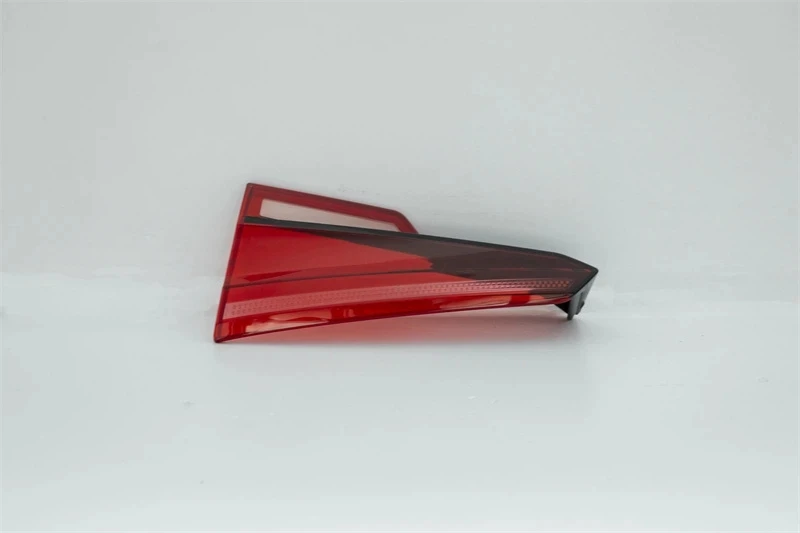
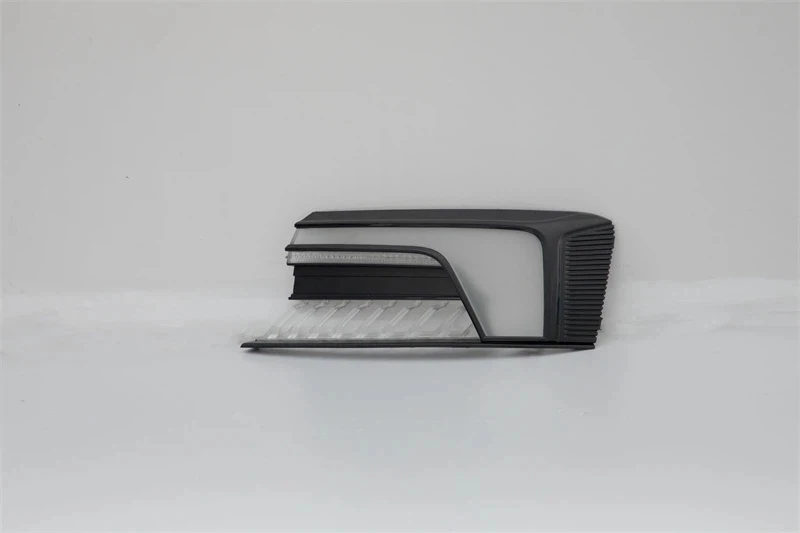
In the passed years, we have ever finished a lot of double shot project for car lamps. Multi-color injection molding is more efficient than single-color molding with multiple molds, resulting in an 85% increase in production efficiency.
IV.Frequently Asked Questions and Technical Challenges
1. Why not simply use spray painting or printing to achieve multi-color effects?
Answer: Although spray painting and printing are less expensive, they usually only change the surface color of the product and have poor wear resistance and durability. Two-color/three-color injection molding is volumetric, meaning the color or material permeates the entire interior of the plastic part, offering extremely high wear resistance and durability, and enabling the combination of hard and soft plastics to meet functional requirements.
2. What are the difficulties in three-color injection molding?
Answer: The main difficulties lie in the complexity of mold design and the stringent requirements for process parameters.
Mold cost: Three-color molds are typically 1.5-2 times more expensive than single-color molds, and have longer design cycles.
Injection molding machine synchronization: The temperature, pressure, and speed of the three injection units must be precisely synchronized to prevent delamination.
* Material selection: Different colored materials may require different processing temperatures, and three-color injection molding is often limited by temperature compatibility.


