

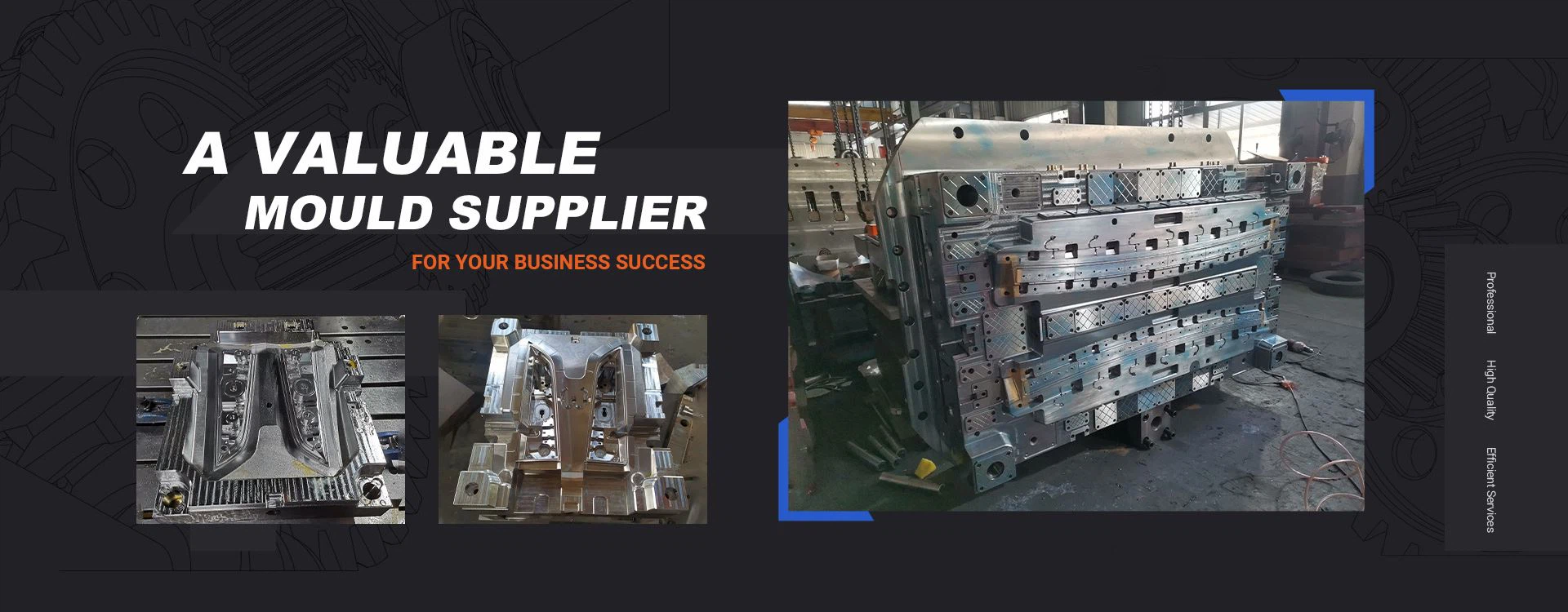
Stamping parts processing includes blanking, bending, drawing, forming, finishing and other processes. The materials processed by stamping parts are mainly hot-rolled or cold-rolled (mainly cold-rolled) metal sheet and strip materials, such as carbon steel plate, galvanized sheet, tin-plated sheet, copper and copper alloy plate, aluminum and aluminum alloy plate, etc.
Because the elastic pressure discharge die is more convenient than the fixed discharge die when operating, the operator can see the feeding action of the strip in the mold, and the elastic pressure stripper is applied to the strip material when discharging, and the surface of the workpiece will not be damaged, so in the actual design, the elastic pressure stripper is used as much as possible, and only when the unloading force of the elastic pressure stripper is insufficient, the fixed stripper is used instead. Whether the die used for stamping parts uses an elastic or fixed stripper depends on the size of the discharge force, in which the thickness of the material is the main consideration.
The main purpose of the hardness test of stamping parts material is to determine whether the annealing degree of the purchased metal sheet is suitable for the subsequent stamping parts processing, and different types of stamping parts processing technology require plates with different hardness levels. The aluminum alloy plate used for stamping parts processing can be tested by Wechsler hardness tester, and when the material thickness is greater than 13mm, the Barcol hardness tester can be used instead, and the pure aluminum plate or low-hardness aluminum alloy plate should use the Barcol hardness tester.


