



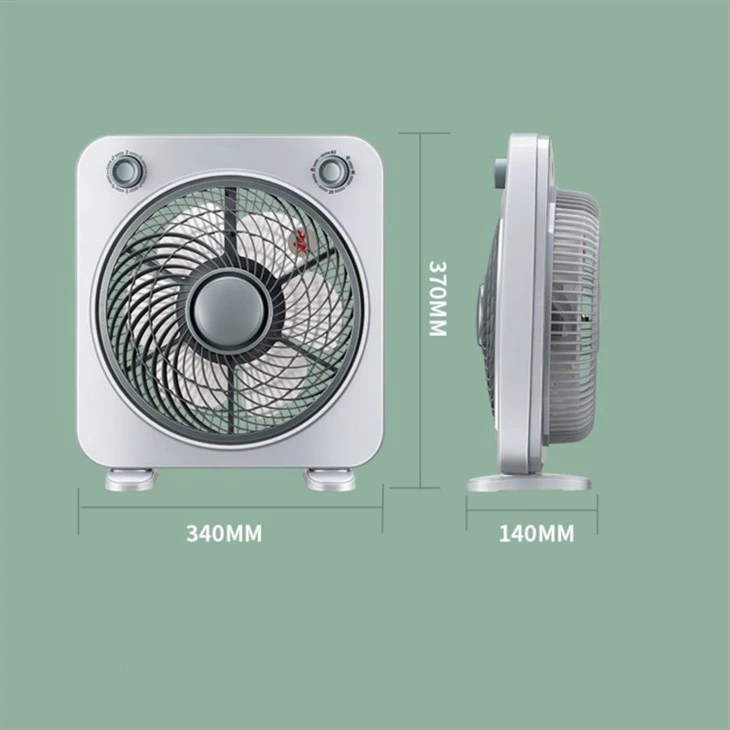

Electric Fan Mould
core strength of PINHENG MOULD
20+ Years Experience
With over 20+ years of experience in the industry, we have perfected our techniques and use the latest technologies to deliver exceptional results.
Advanced Equipment
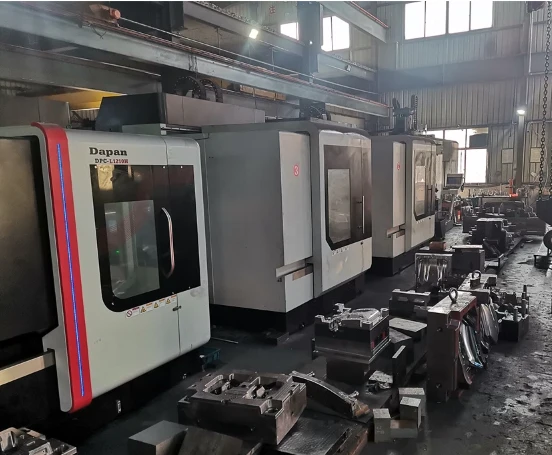
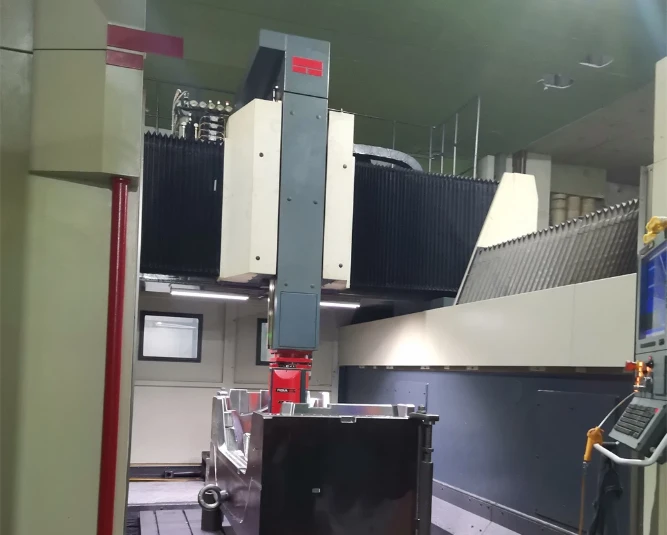
Our factory owns advanced equipment for mould making, including high speed CNC machines, EDM, drillers, spotting machines, injection molding machines, etc.
Professional R&D Team
Our professional designers will carefully design the mold, including mold flow analysis and precise calculations, to ensure that each mold has high precision.
Double-Shot Injection Moulding Technology
We are proud of our capability for double shot mould manufacturing and injection moulding production. Our factory owns 3 double shot injection moulding machines.
Detailed Specification
|
Mould name |
Electric fan mould |
|
Plastic resin |
ABS/PP/PC |
|
Numbers of mould cavity |
Depends on each plastic items |
|
Gate and runner |
Cold runner or hot runner |
|
Core and Cavity steel |
P20/718/H13/2344/S136 steel |
|
Mould base steel |
1045 steel |
|
Surface finish |
Polishing or texture |
|
Injection machine specification |
300 Tons |
|
Mould manufacturing time |
60 days for T1 mould trial |
|
Cycle time |
40-45s |
|
Mould life |
≥ 300,000 shots |
Welcome to our factory, your premier destination for high-quality mould for electrical fans.

Key points of electrical fan mould design
Mould design: A set of high-quality moulds. Structural design is the prerequisite for mold manufacturing. It can conduct a comprehensive analysis of the mold structure and product structure, including draft angle, product surface microcosm, gating system design, exhaust system design, cooling system design, etc.
The most likely problems will be repeated tests during the design of the mold structure. We are on thin ice in the early preparations for mold manufacturing, with rigorous attitude truly breathes life into the mould.
Fan mold steel: Commonly used mold steel 45#, 40Cr, P20, 2738, 2316, 718, 718H, NAK80, S136, etc. General fan mold uses 718 and 2316 materials which can achieve a certain smoothness on the surface of the product, and the mold life is relatively long. If you want the mold quality to be more guaranteed. NAK80 can be selected as the certificate. We will advise customers to determine the mold steel according to the positioning of the product!
Key points of fan mold injection molding
The key point of fan mold injection molding is the selection of the gate at the turning part. Its selection must ensure that the plastic filling pressure in the mold cavity is consistent and the pouring distance is consistent.
At the same time, we must know whether the temperature differences at different locations in the mold will affect the degree of melting of the plastic. The gravity will be different, and it will make a noisy sound when rotating. Our company can make the injection molding of each part of HIPS blade mold and AC wheel fan mold even and uniform.
Processing procedures and company equipment:
CNC milling, high-speed milling, EDM, precision engraving, wire cutting, deep hole drilling
Equipment introduction: We have a complete set of processing equipment, including 4 high speed CNC milling machines with an accuracy of 0.01mm and 3 EDM machines, 5 precision engraving machines , 2 large drilling machines, and 3 wire cutting machines.
Maintenance of fan mold: Mold maintenance is more important than mold repair. The more times the mold is repaired, the shorter its life span; and the better the mold is maintained, Its service life will be longer.
Daily maintenance of the mold: various moving parts such as ejector pins, rows, guide pins, and guide bushings. After every production, pay attention to cleaning the remaining plastic and other impurities in each part of the mold, and oiling and resetting.
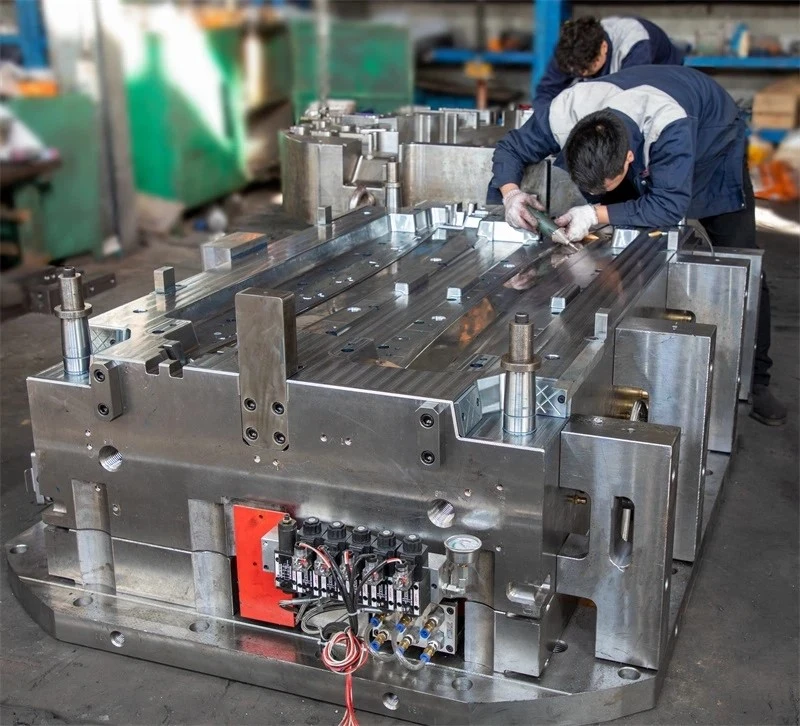
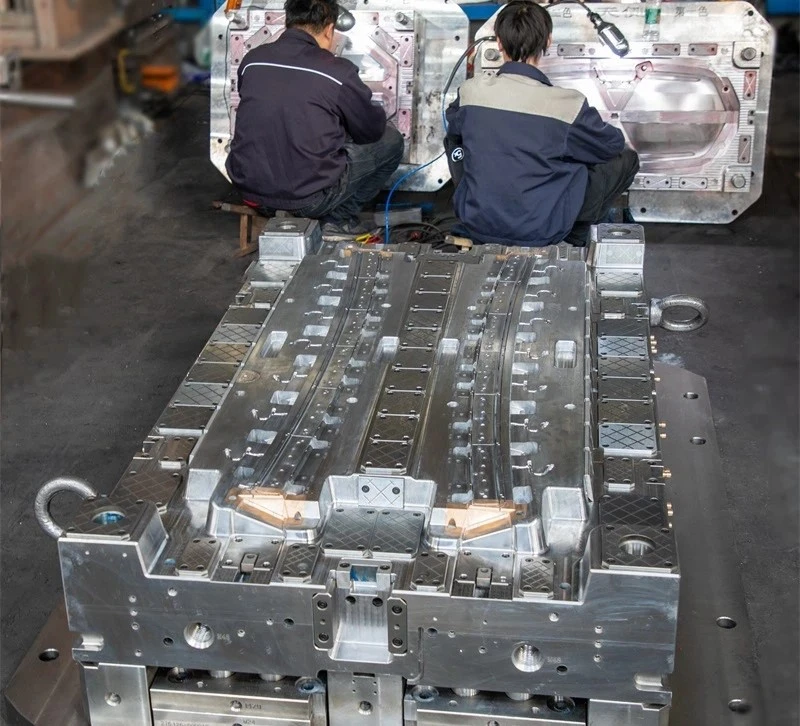
With our in-house production capabilities, we can swiftly turn mould designs into reality. Our advanced tooling and machining techniques enable us to create moulds with exceptional precision and consistency. Each mold undergoes rigorous quality control measures to meet the exact specifications and tolerances required.
How to order the mould?
Demand confirmation and communication
The customer first needs to communicate with the injection mold manufacturer to clarify the product requirements, specifications, materials and other details. Including:
- The size, shape, and precision requirements of the injection molded parts
- The function and use environment of the product
- The required materials (such as plastic types)
- Injection molding process requirements (such as single mold/multi-mold, cold runner/hot runner)
- Production cycle and delivery period, etc.
Or the customer provides the 3D design drawing or CAD model of the product himself.
Mold design
According to the drawings or requirements provided by the customer, the mold manufacturer will conduct preliminary mold design, including structural design, runner design and material confirmation.
Quotation and contract signing
We will provide a quotation based on design requirements, material selection, mold complexity, production cycle and other factors. After both parties confirm the quotation, a formal contract is signed to clarify the terms such as delivery time, payment method, warranty period, etc.
Mold manufacturing
We start to process the mold according to the design. Assemble the processed mold parts to form a complete injection mold.
Mold trial and debugging
After the mold is manufactured, we will conduct the first injection trial to check whether the mold can work properly and confirm the quality of the injection molded parts (such as size, appearance, etc.). According to the results of the trial, it may be necessary to make some fine-tuning to the mold, including modifying the flow channel, adding exhaust, etc., to ensure the stability of the mold and the qualified rate of the injection molded parts.
Packaging and delivery
For molds, we generally use wooden boxes to pack, put shock-absorbing materials in the wooden boxes, and arrange for delivery.
After-sales service
We provide certain after-sales services, including:
- Mold care and maintenance
- Mold repair after damage
- Technical support and debugging help
FAQ about injection mould
Q: What is the life expectancy of an injection mold?
A: Widely used for its good impact resistance and toughness, ABS plastic injection molds can last for about 100,000 to 300,000 cycles. Polycarbonate: Known for its strength and transparency, polycarbonate molds typically have a lifespan of around 100,000 to 200,000 cycles.
Q: How expensive is an injection mold?
A: A small and simple single-cavity plastic injection mold usually costs between $1,000 and $5,000. Very large or complex molds may cost as much as $80,000 or more. On average, a typical mold that produces a relatively simple part small enough to hold in your hand costs around $12,000.
Q: How many times can an injection mould be used?
A: An injection mold can be used anywhere from hundreds, thousands, or even millions of times.
Q: Why are injection molds so expensive?
A: The simple answer is that making a successful injection mould tool is a hugely complex undertaking that require a lot of thought, planning, expertise and labour. The higher the complexity, the more expensive the cost of your mould will be.
Q: What type of injection mold is most commonly used?
A: This mold is a single parting surface mold, also known as a two-plate mold. It's the simplest and most basic form in injection molding, adaptable as a single cavity or multi-cavity mold, making it the most widely used type.
Hot Tags: electric fan mould, China electric fan mould, door trim mould, Dashboard Mould, jug mould, Household Air Conditioner Mould, hyundai bumper mould, bucket mould
Previous
Vacuum Cleaner MouldNext
Air Cooler MouldYou Might Also Like


Send Inquiry