

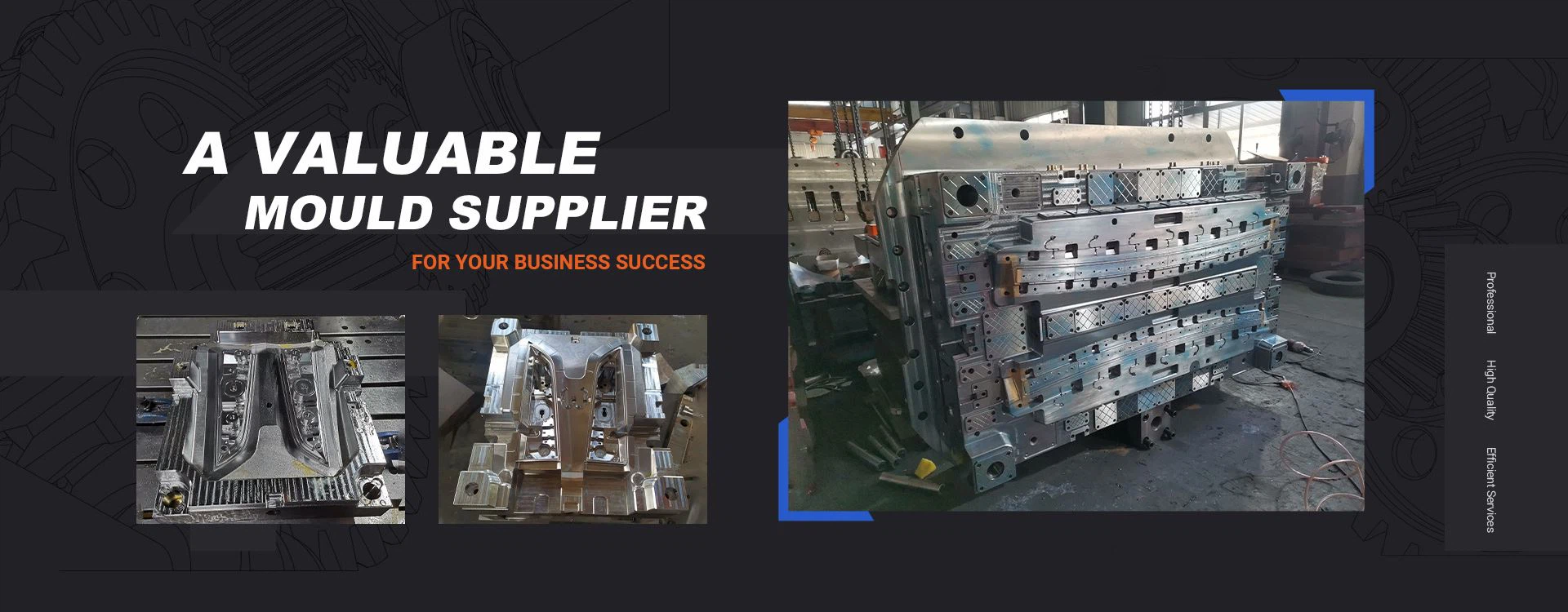


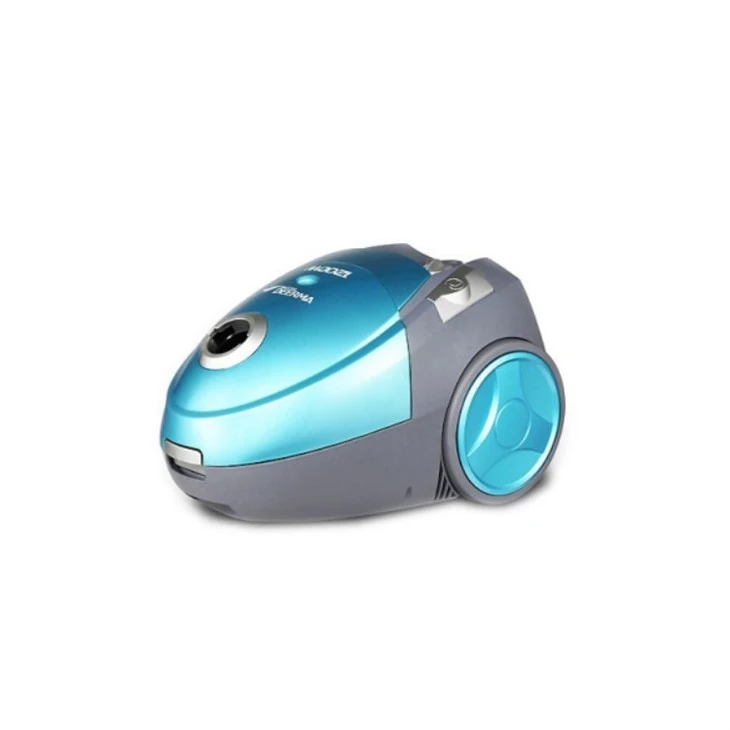
Vacuum Cleaner Mould
Products Description
|
Mould name |
Vacuum cleaner mould |
|
Plastic resin |
ABS/PP/PC |
|
Numbers of mould cavity |
Depends on each plastic items |
|
Gate and runner |
Cold runner or hot runner |
|
Core and Cavity steel |
P20/718/H13/2344/S136 steel |
|
Mould base steel |
1045 steel |
|
Surface finish |
Polishing or texture |
|
Injection machine specification |
300 Tons |
|
Mould manufacturing time |
90 days for T1 mould trial |
|
Cycle time |
45-50s |
|
Mould life |
≥ 300,000 shots |
Welcome to Taizhou huangyan pinheng mould co., ltd, a leading provider of high-quality moulds for vacuum cleaners. With 14+ years of expertise in the industry, we are dedicated to delivering precision-engineered moulds that meet the evolving needs of vacuum cleaner manufacturers worldwide.
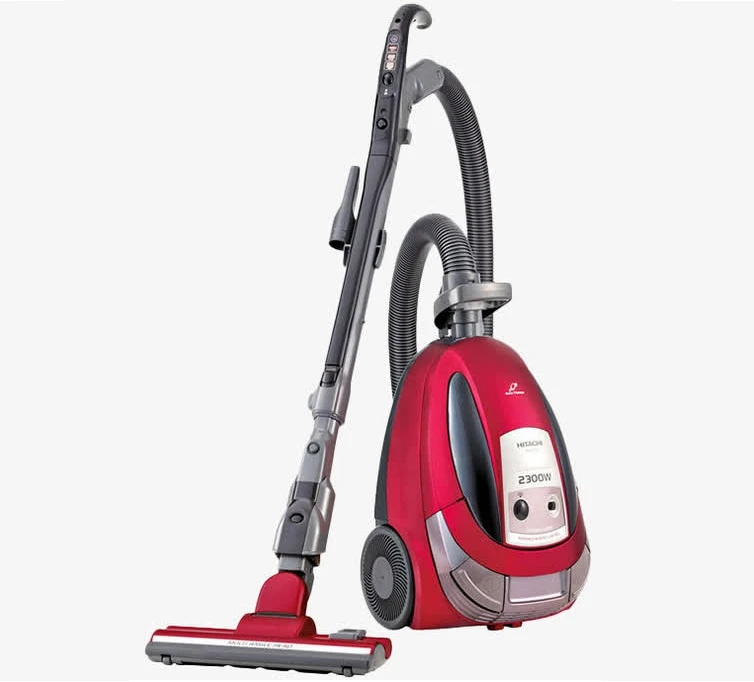
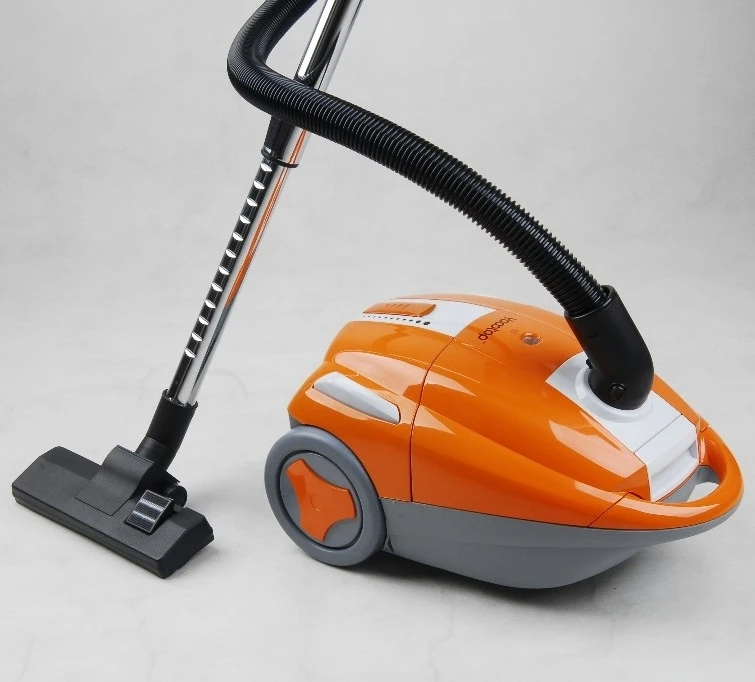
As an experienced vacuum cleaner mould maker, we understand that design work is crucial before mould making, it is a key factor which decides if the project could be successful. Then how to make a good design for a vacuum cleaner, consider the following steps:
- Research and analysis: Understand the market and user needs. Identify the target audience, their preferences, and pain points with existing vacuum cleaners.
- Functional requirements: Determine the essential features and performance specifications of the vacuum cleaner, such as suction power, dust capacity, noise level, cord length, attachments, and filtration system.
- Ergonomics and usability: Design a comfortable and user-friendly vacuum cleaner. Consider factors like weight distribution, handle grip, button placement, and ease of maneuverability on different surfaces.
- Aesthetics and branding: Develop an appealing visual design that aligns with the brand identity. Consider color schemes, material selection, and overall form factor to create a visually pleasing product.
- Safety and durability: Ensure that the vacuum cleaner is safe to use and can withstand regular wear and tear. Include features like overheating protection, sturdy construction, and easy maintenance.
- Innovative features: Differentiate your vacuum cleaner by incorporating unique features or technologies. Examples include smart connectivity, automatic dirt disposal, self-adjusting cleaning modes, or noise reduction mechanisms.
- Prototyping and testing: Create prototypes to evaluate the design's functionality, ergonomics, and user experience. Gather feedback from potential users and make necessary improvements.
- Manufacturing considerations: Collaborate with engineers and manufacturers to ensure the design is feasible for mass production. Optimize components, materials, and assembly processes for cost-effectiveness and efficiency.
- Sustainability: Incorporate eco-friendly elements into the design, such as energy-efficient motors, recyclable materials, and packaging.
- User documentation and support: Provide clear instructions and user manuals to guide customers on how to use and maintain the vacuum cleaner effectively.
Remember, this is a general guideline, and the specific design process may vary depending on the company's resources, goals, and target market.
As industry pioneers, whether it's a compact handheld vacuum or a robust upright model, we have the expertise to design moulds that cater to a wide range of vacuum cleaner types and sizes.
Choose our company as your trusted partner for top-notch vacuum cleaner moulds. Contact us today to discuss your mould requirements and benefit from our industry-leading expertise.
Hot Tags: vacuum cleaner mould, China vacuum cleaner mould, plastic bin mould, Reflective bowl mould, trash can mould, car light mould, car storage box mould, Bezel Mould
Previous
Household Air Conditioner MouldYou Might Also Like



Send Inquiry