

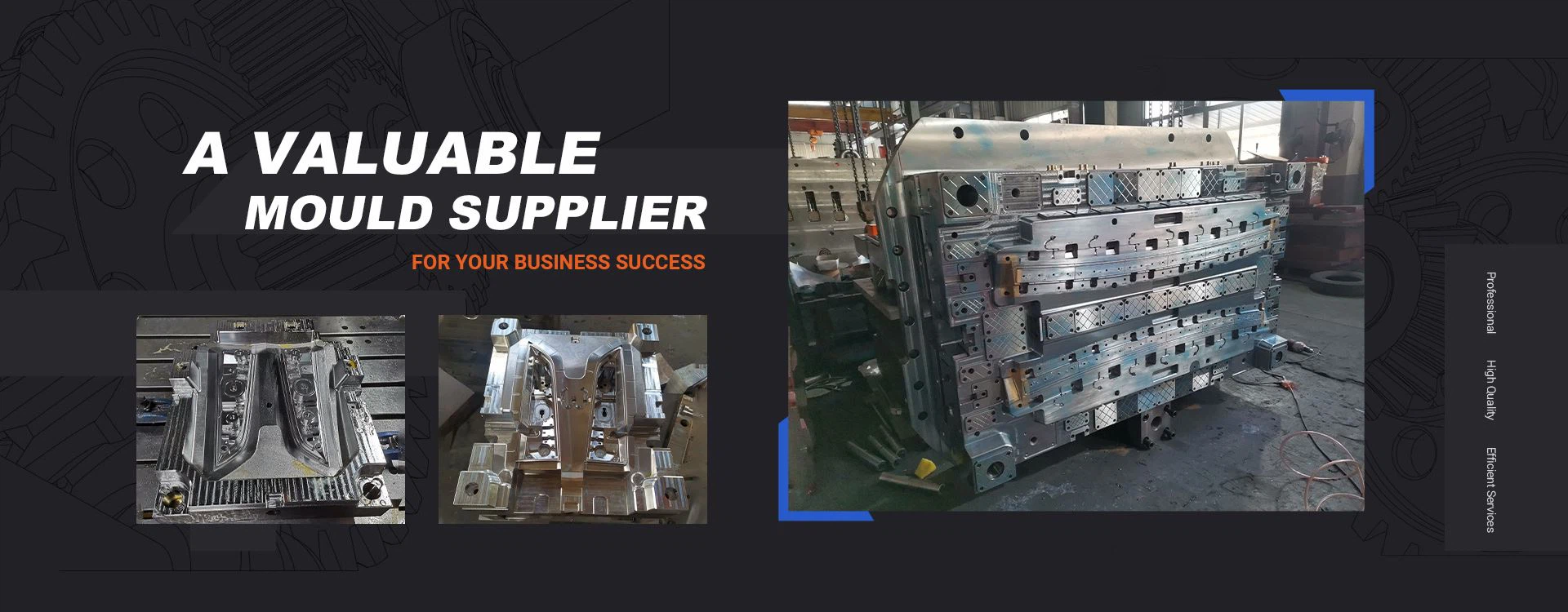


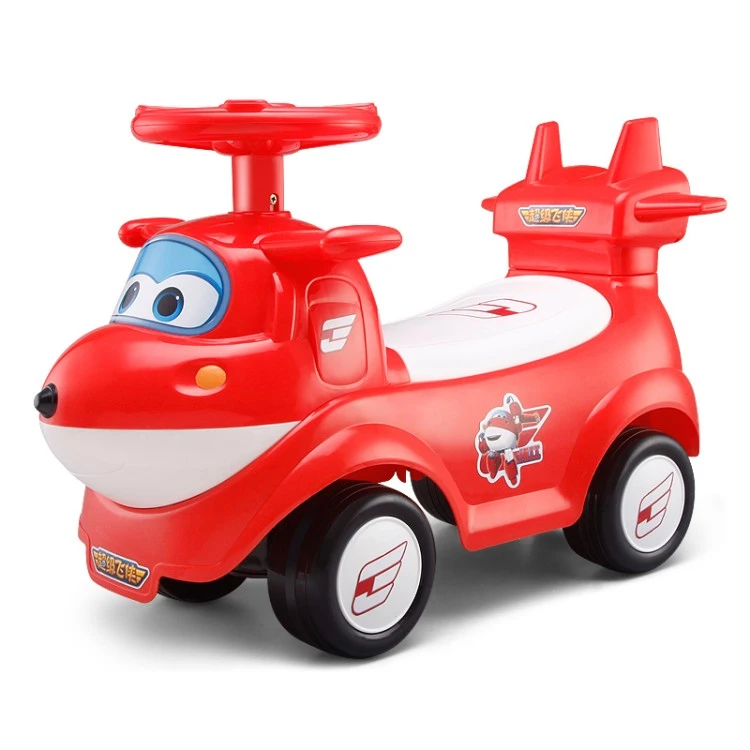

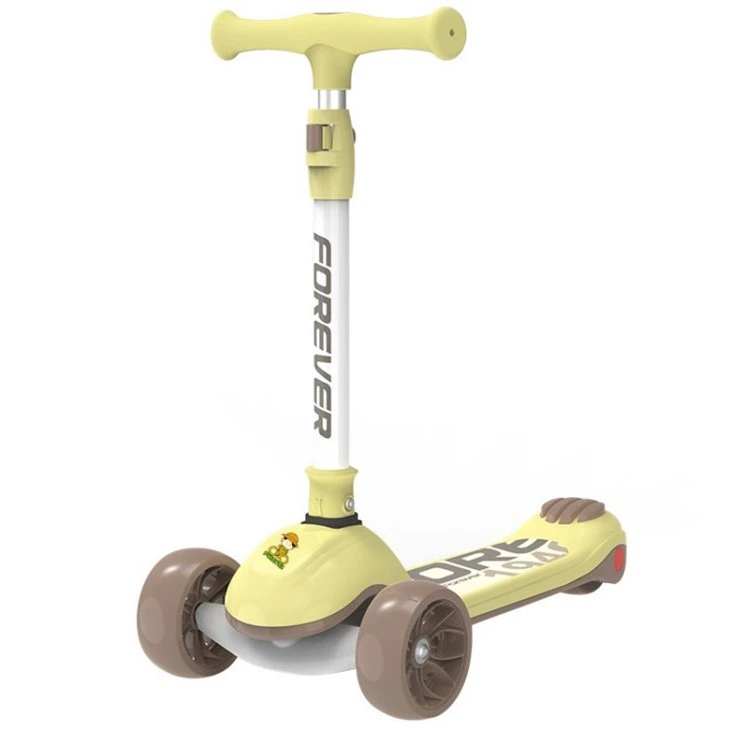
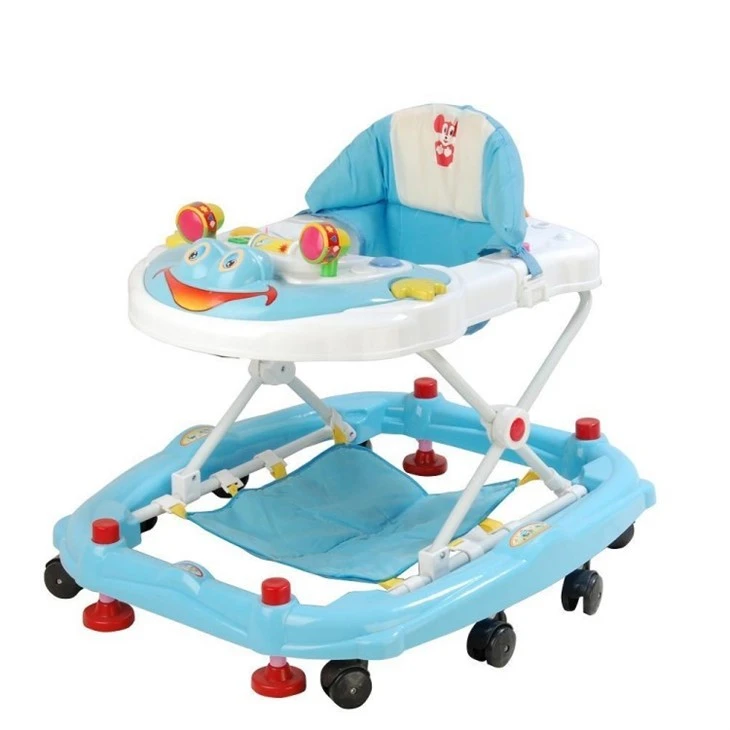
Plastic Toy Mould
Products Description
|
Mould name |
Plastic toy mould |
|
Plastic resin |
PP, PC, ABS |
|
Numbers of mould cavity |
Single cavity or multi cavities |
|
Gate and runner |
Hot runner or cold runner |
|
Core and Cavity steel |
P20/718/H13/2344/S136 steel |
|
Mould base steel |
1045 steel |
|
Surface finish |
Polishing |
|
Injection machine specification |
500 Tons |
|
Mould manufacturing time |
60 days for T1 mould trial |
|
Cycle time |
45-55s |
|
Mould life |
≥ 300,000 shots |
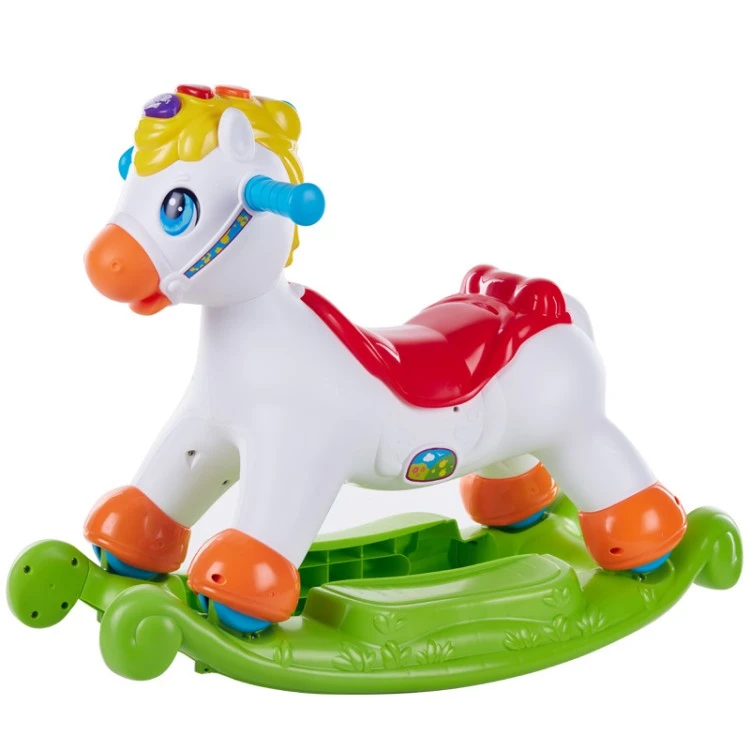
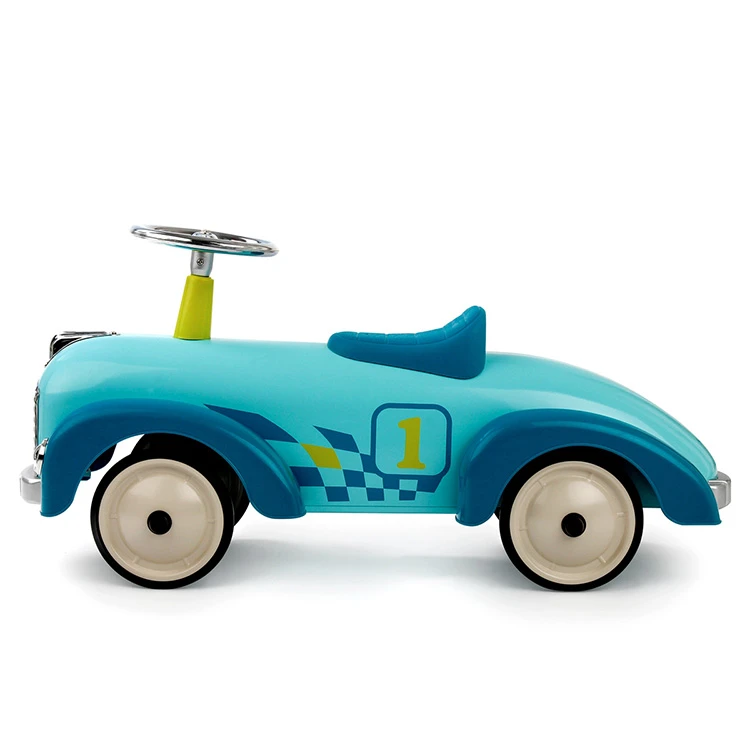
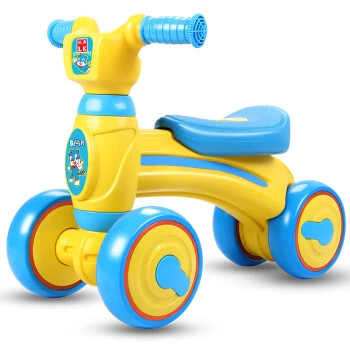
The features of a plastic toy mould can vary depending on the specific design and requirements of the toy. However, here are some common features and considerations for plastic toy moulds:
- Complexity: Plastic toy moulds often have intricate designs and complex geometries to achieve the desired shape and functionality of the toy. The mould should be designed to accommodate these complexities and ensure precise replication of details.
- Multiple cavities: Toy moulds usually have multiple cavities to enable efficient mass production of toys. The number of cavities depends on the desired production volume and efficiency requirements.
- Parting line: The parting line is the separating line between the two halves of the mould. It should be strategically placed to minimize visible parting lines on the toy's surface and facilitate easy ejection of the finished product.
- Ejection system: An effective ejection system is crucial for removing the plastic parts from the mould without causing any damage. It may involve the use of ejector pins, sleeves, or air ejection systems to ensure smooth and consistent ejection.
- Cooling system: Proper cooling is essential to achieve high-quality plastic products. The mould should be equipped with an efficient cooling system, which typically consists of cooling channels strategically placed within the mould to control the cooling process and minimize cycle time.
- Material selection: The choice of plastic material for toys depends on factors such as the toy's intended use, safety regulations, and aesthetic requirements. Commonly used materials include ABS, polypropylene (PP), and high-density polyethylene (HDPE).
- Safety considerations: Toys need to comply with safety standards and regulations to ensure the toys produced are safe for children. This includes considerations such as avoiding sharp edges, eliminating small parts that could pose a choking hazard, and using non-toxic materials.
- Durability and longevity: Plastic toy moulds should be made from durable and wear-resistant materials, such as hardened steel, to withstand the high production volumes typically associated with toy manufacturing. The mould should be designed for longevity to ensure consistent and reliable production over an extended period.
These are some of the key features and considerations involved in plastic toy moulds. Working closely with our experienced engineers can help ensure that your mould is designed and constructed to meet specific requirements and produce high-quality toys efficiently.
Hot Tags: plastic toy mould, China plastic toy mould, car wheel cover mould, truck fog light mould, automotive trim panel mould, Plastic Bucket Mould, laundry machine mould, plastic desk mould
Previous
Garbage Bin MouldYou Might Also Like


Send Inquiry