



Plastic Table Mould
Products Description
|
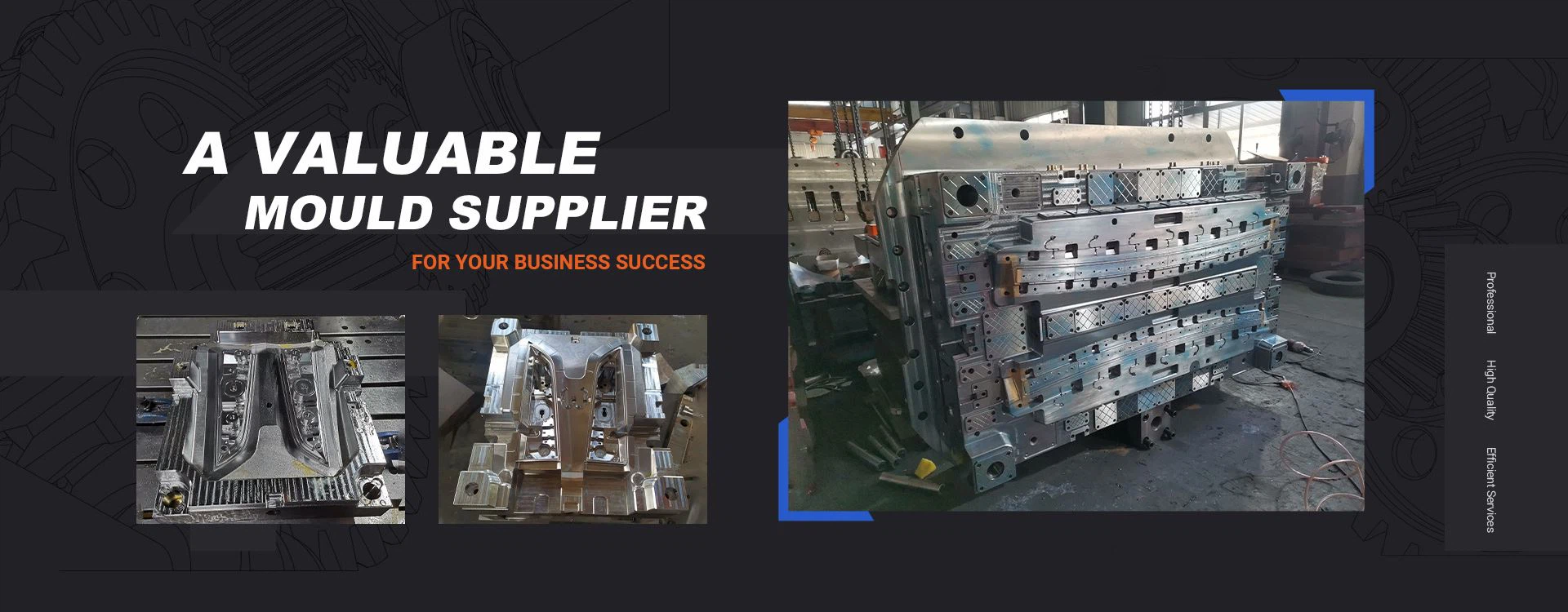
Mould name |
Plastic table mould |
|
Plastic resin |
PP, PC, ABS |
|
Numbers of mould cavity |
Single cavity |
|
Gate and runner |
Hot runner or cold runner |
|
Core and Cavity steel |
P20/718/H13/2344/S136 steel |
|
Mould base steel |
1045 steel |
|
Surface finish |
Polishing |
|
Injection machine specification |
1000 Tons |
|
Mould manufacturing time |
60 days for T1 mould trial |
|
Cycle time |
55-60s |
|
Mould life |
≥ 300,000 shots |
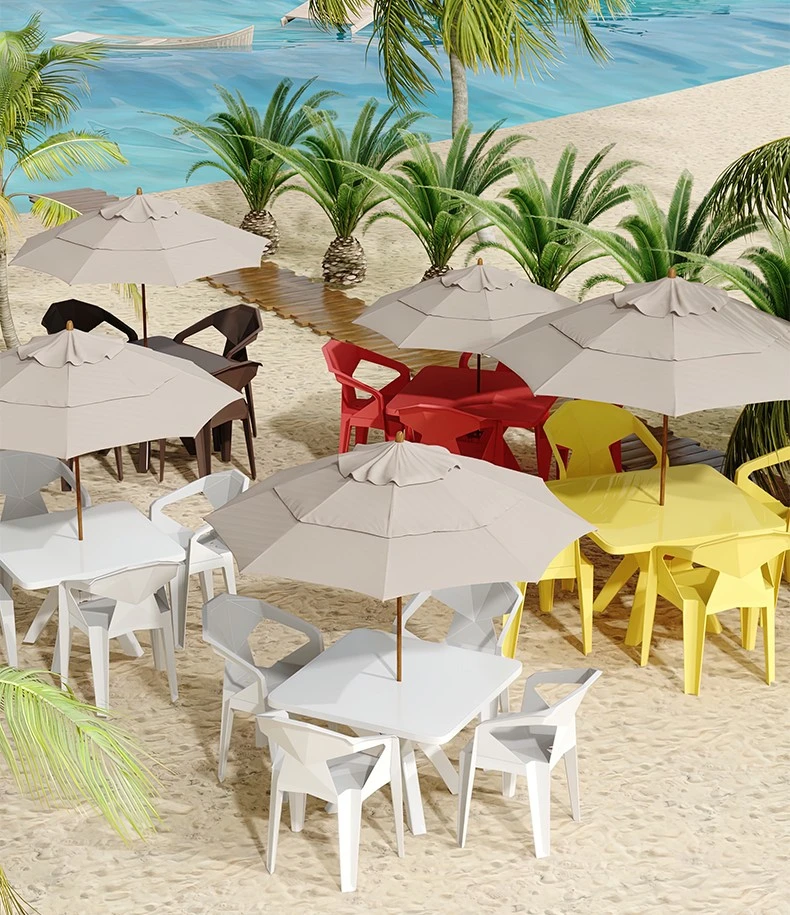
Design for plastic tables
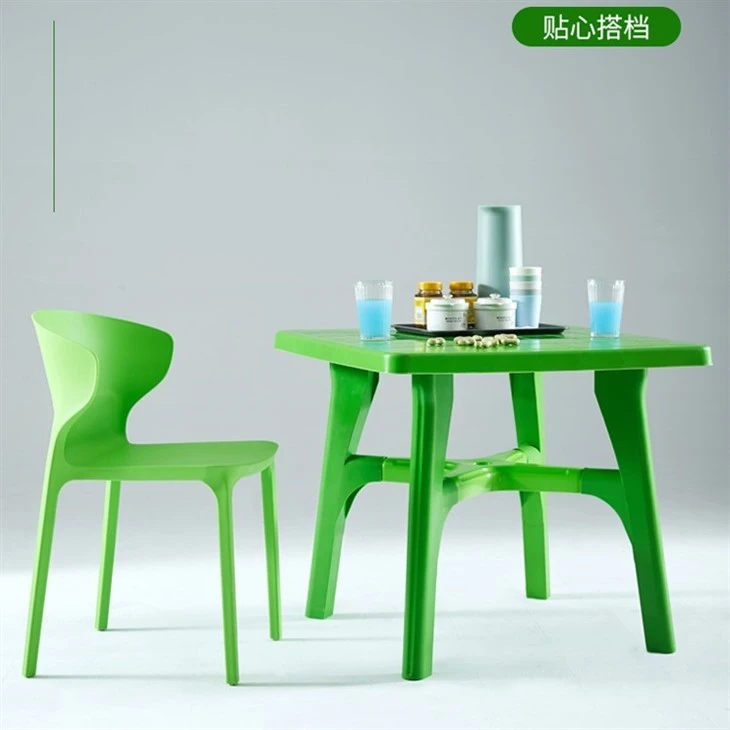
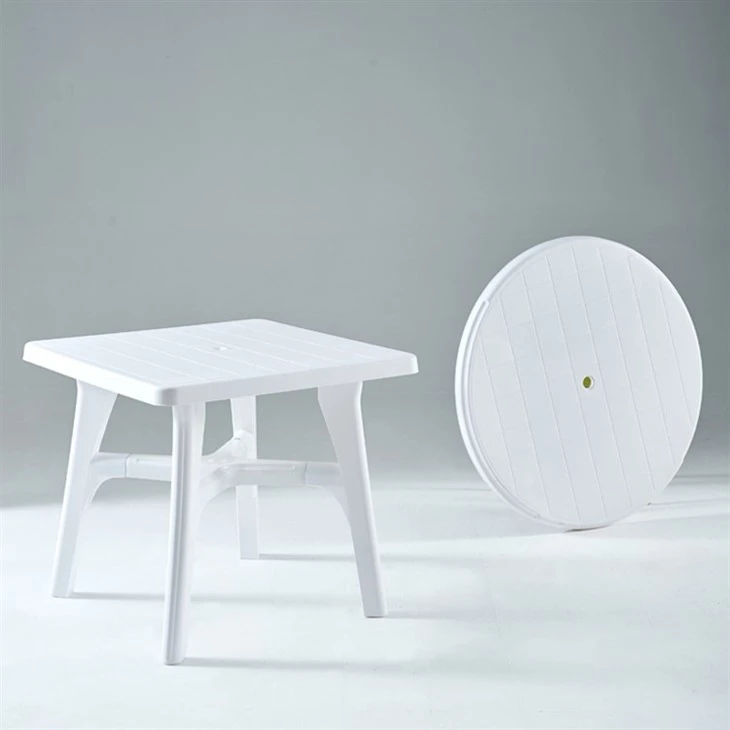
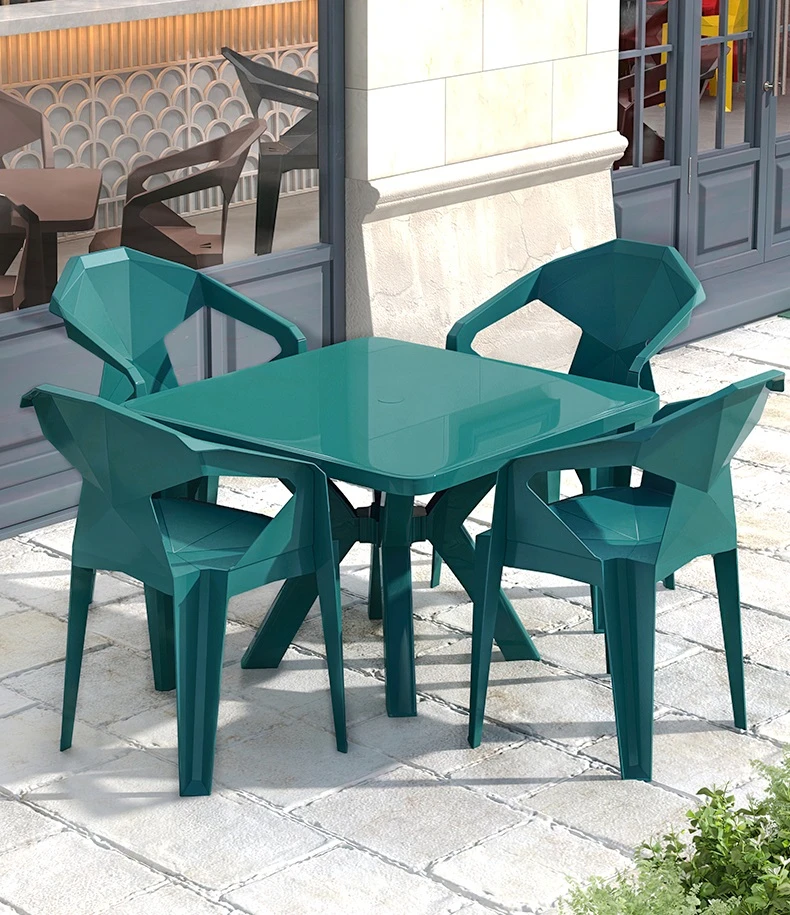
- Functionality: The tabletop design should meet the functional requirements of the table. Consider factors such as the intended use of the table (e.g., dining table, work table, outdoor table), load-bearing capacity, stability, and any additional features required (such as holes for umbrellas or cable management).
- Size and shape: Determine the appropriate size and shape of the tabletop based on the table's intended purpose and available space. Consider factors such as seating capacity, ergonomics, and aesthetic preferences. Common shapes include rectangular, square, round, and oval, but custom shapes can also be considered.
- Material selection: Select a suitable plastic material for the tabletop that offers the desired properties such as strength, durability, scratch resistance, UV resistance (for outdoor tables), and ease of maintenance. Popular plastics for tabletops include polypropylene (PP), high-density polyethylene (HDPE), polycarbonate (PC), and acrylonitrile butadiene styrene (ABS).
- Surface finish and texture: Decide on the desired surface finish and texture of the tabletop. It can be smooth, textured, matte, glossy, or patterned, depending on the aesthetic requirements and practical considerations such as grip or resistance to scratches and stains.
- Edge design: Consider the design of the tabletop edges. Options include straight edges, beveled edges, rounded edges, or chamfered edges. The edge design can impact the appearance, comfort, and safety of the table.
- Integration with base or legs: If the tabletop is designed to be detachable or interchangeable with different bases or legs, ensure that the connection mechanism is robust and secure. The design should allow for easy assembly and disassembly while maintaining stability.
- Aesthetic considerations: Take into account the overall design aesthetic, including color options, patterns, and decorative elements. The tabletop design should align with the desired style and intended market.
- Cost considerations: Balance the desired design features with cost considerations. Consider factors such as material cost, manufacturing complexity, and assembly requirements to optimize the design within budget constraints.
It's important to work closely with our engineers to ensure that the design is both functional and visually appealing while meeting manufacturing and cost requirements.
Mould steel selection for plastic table mould
Several steel types are commonly used for plastic table moulds, and the selection depends on factors such as durability, hardness requirements, corrosion resistance, and budget. Here are three popular steel types often considered suitable for plastic table moulds:
- P20 (or equivalent): P20 is a general-purpose pre-hardened tool steel widely used in plastic injection moulding. It offers good toughness, excellent machinability, and adequate hardness for most plastic table applications. P20 steel is cost-effective and can be easily machined and polished to achieve the desired surface finish.
- H13 (or equivalent): H13 is a hot work tool steel known for its high hardness, wear resistance, and heat resistance. It is suitable for applications that require high production volumes or involve abrasive plastics. H13 steel retains its hardness at elevated temperatures, making it ideal for long production runs. However, it may require more expertise and cost more than P20.
- S136 (or equivalent): S136 is a stainless steel specifically designed for plastic moulding applications. It offers good corrosion resistance, high polishability, and excellent dimensional stability. S136 steel is often used when a high-quality surface finish is required for the plastic tables. However, it tends to be more expensive than P20 or H13.
It's important to note that there are other steel types available, and the choice ultimately depends on your specific requirements and budget. Factors such as expected production volume, desired surface finish, material compatibility, and mould lifespan should be considered when selecting the most suitable steel for your plastic table mould. Consulting with experienced mould makers or engineers can help you make an informed decision based on your unique needs.
Hot Tags: plastic table mould, China plastic table mould, Rear Mirror Mould, hyundai bumper mould, truck door panel mould, AC mould, water bucket mould, dust bin mould
Previous
Plastic Toy MouldYou Might Also Like



Send Inquiry