



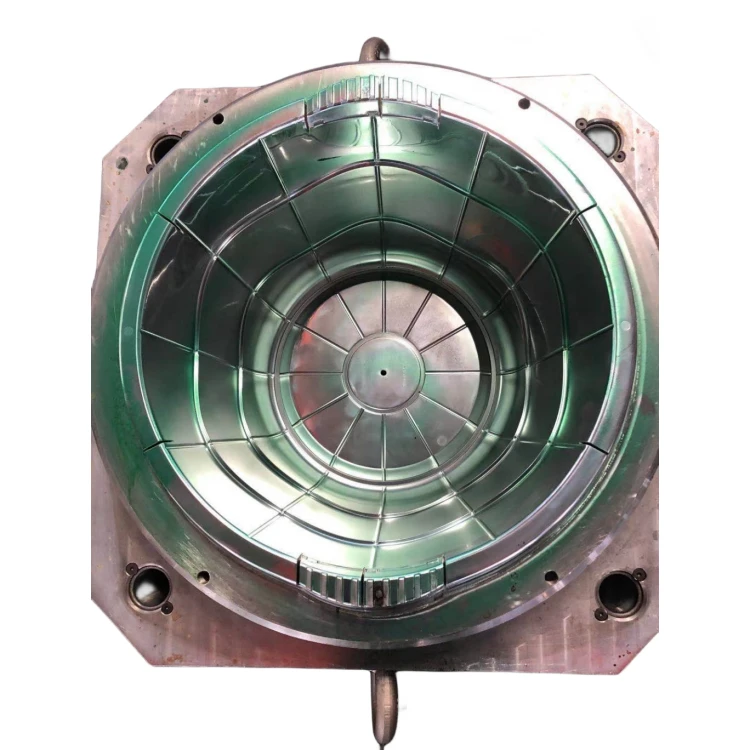


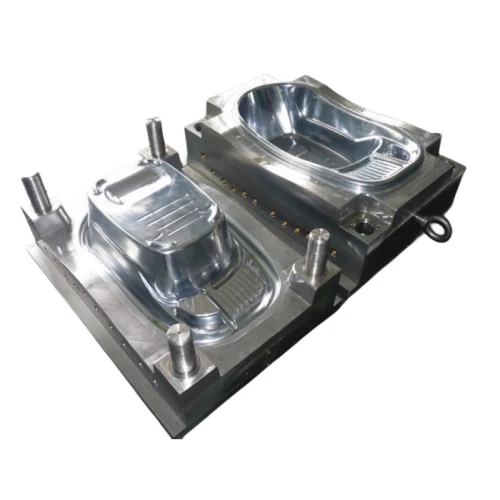
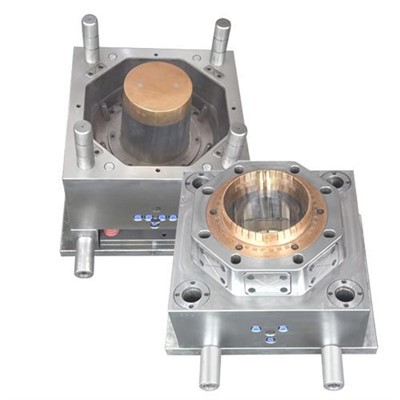
Plastic Basin Mould
Products Description
|
Mould name |
Plastic basin mould |
|
Plastic resin |
PP |
|
Numbers of mould cavity |
Single cavity |
|
Gate and runner |
Hot runner or cold runner |
|
Core and Cavity steel |
P20/718/H13/2344/S136 steel |
|
Mould base steel |
1045 steel |
|
Surface finish |
Polishing |
|
Injection machine specification |
300 Tons |
|
Mould manufacturing time |
60 days for T1 mould trial |
|
Cycle time |
40-50s |
|
Mould life |
≥ 300,000 shots |
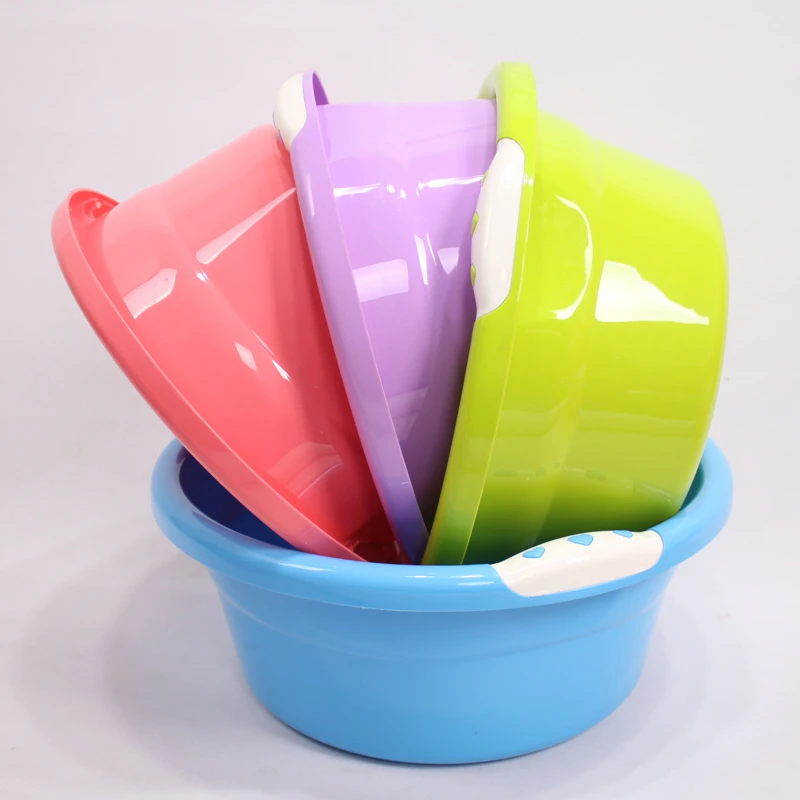
Gate design for plastic basin mould
When designing the gate for a plastic basin mould, several factors need to be considered to ensure proper filling of the cavity and achieve high-quality parts. Here are some common gate design options for plastic basin moulds:
- Edge gate: An edge gate is a common gate design for plastic basin moulds. It is located at the edge or rim of the basin, allowing the molten plastic to flow directly into the cavity. Edge gates provide good cosmetic appearance as they leave minimal gate marks on the final part. However, they may require additional trimming or finishing operations on the edge of the basin.
- Sub-gate: A sub-gate, also known as a pinpoint gate or sprue gate, is located at the bottom of the basin. It allows the molten plastic to flow vertically upward from the runner system into the cavity. Sub-gates are often used when aesthetics on the top surface of the basin are critical, as they minimize visible gate marks. However, sub-gates can leave a small vestige or mark on the bottom surface of the basin, which may require further finishing.
- Hot runner system: A hot runner system is an advanced gate design option that uses heated channels to deliver molten plastic directly into each cavity without the need for traditional gates. Hot runner systems offer several advantages, including reduced waste, improved cycle times, and better control over flow and temperature. They are especially suitable for high-volume production runs where material and cycle time efficiency are critical. Hot runner systems can be designed with various configurations, such as valve gates or thermal gates.
The choice of gate design depends on factors such as part design, desired cosmetic appearance, material properties, production volume, and cost considerations. Each gate design has its advantages and potential drawbacks. It is important to work closely with our team to select the most appropriate gate design for your specific basin mould project.
Draft angles and texture
Draft angles and texture are important considerations in the design of a plastic basin mould to facilitate easy ejection of the part and achieve the desired surface finish. Here's an overview of draft angles and texture for plastic basin moulds:
Draft angles: Draft angles are slight tapers added to the vertical surfaces of the moulded part. They allow for easier release of the part from the mould by reducing friction and preventing sticking. In the case of a plastic basin, draft angles are typically incorporated on the sidewalls, interior surfaces, and any vertical features.
The specific draft angle required depends on factors such as the material being used, the complexity of the part geometry, and the ejection direction. Typically, draft angles between 1 to 3 degrees are sufficient for most plastic basins. However, more complex designs or certain materials may require larger draft angles.
Texture: Texture refers to the surface finish or pattern applied to the mould cavity, which is then transferred to the moulded part. Texture can enhance the visual appearance and functionality of the plastic basin. Commonly used textures for basins include matte, satin, glossy, or specific patterns like a pebble or stipple finish.
The choice of texture depends on the desired aesthetic appeal and functional requirements of the basin. For example, a matte or textured surface can help hide scratches or imperfections, while a glossy finish can provide a sleek and modern look. The texture should be carefully designed to ensure uniformity and consistency across the entire basin.
It's important to note that adding texture to the mould cavity may affect the ejection process and require additional considerations for draft angles. The texture should be deep enough to achieve the desired effect without compromising the ejection of the part or causing excessive wear on the mould.
During the mould design process, experienced designers will consider the appropriate draft angles and texture based on the specific requirements of the plastic basin. They will also take into account factors such as material shrinkage, moulding conditions, and ejection mechanisms to ensure successful part production and high-quality surface finish.
It's recommended to work with our designers who have expertise in basin moulds and can provide guidance on the optimal draft angles and texture for your specific requirements.
Hot Tags: plastic basin mould, China plastic basin mould, AC mould, automotive trim panel mould, double color tail light mould, Auto Light Mould, Front Bumper Mould, Pet Cage Mould
Previous
Plastic Table MouldYou Might Also Like


Send Inquiry