

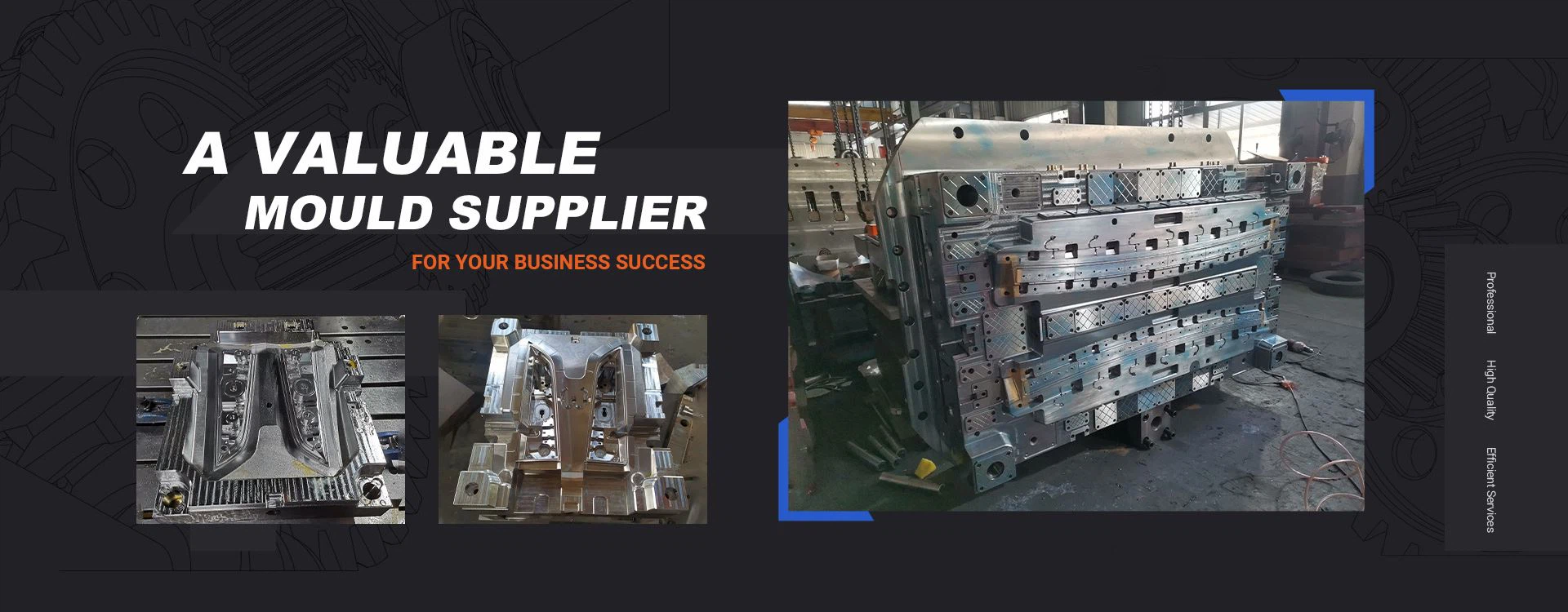


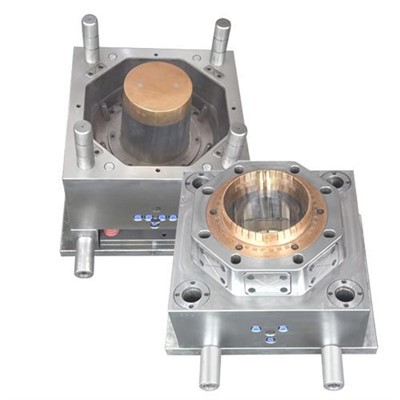
Storage Box Mould
Products Description
|
Mould name |
Storage box mould |
|
Plastic resin |
PP, HDPE |
|
Numbers of mould cavity |
Single cavity |
|
Gate and runner |
Hot runner or cold runner |
|
Core and Cavity steel |
P20/718/H13/2344/S136 steel |
|
Mould base steel |
1045 steel |
|
Surface finish |
Polishing |
|
Injection machine specification |
1000 Tons |
|
Mould manufacturing time |
60 days for T1 mould trial |
|
Cycle time |
55-60s |
|
Mould life |
≥ 300,000 shots |
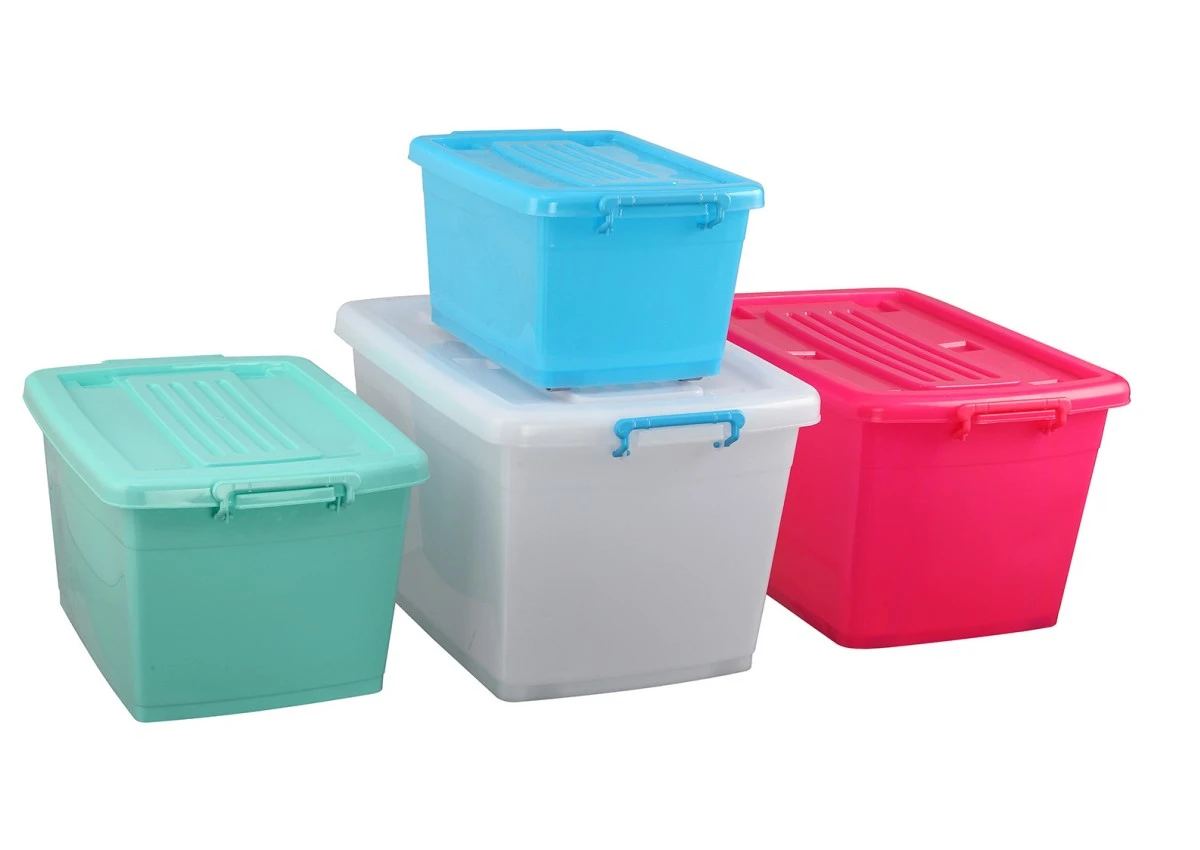
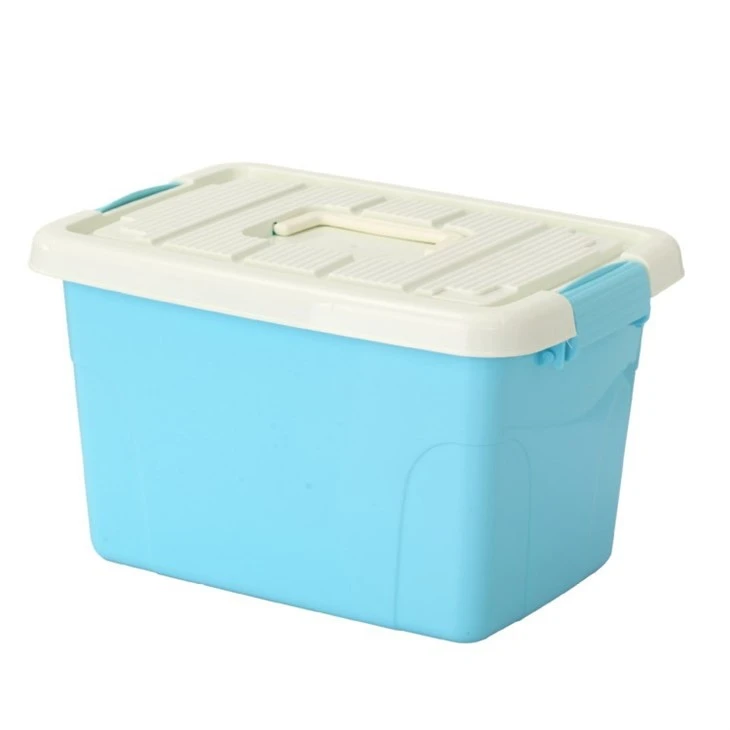
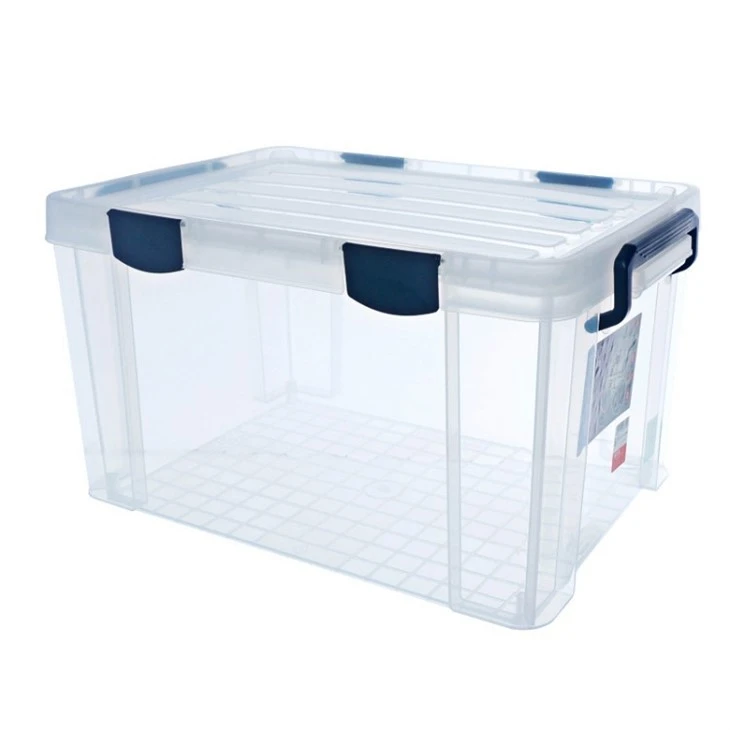
Plastic storage boxes are also usually called plastic organizing boxes, plastic storage boxes, plastic organizing boxes, and plastic storage boxes. Plastic storage boxes are made of polyethylene PE or polypropylene PP, which are safe and non-toxic. HDPE materials are relatively soft and tough, and are generally the first choice for household clothing storage.
Steel selection for plastic storage box mould
When selecting a steel material for a plastic storage box mould, it is important to consider factors such as the expected production volume, the type of plastic material being used, and the desired lifespan of the mould. Here are some commonly used steel materials for plastic injection moulds:
- P20 (1.2311) steel: P20 is a widely used pre-hardened tool steel suitable for medium to large production volumes. It has good toughness, excellent machinability, and can be easily polished. P20 steel is often used for low to medium volume production of storage box moulds.
- H13 (1.2344) steel: H13 is a hot work tool steel that offers high hardness and resistance to thermal fatigue. It is suitable for high-volume production and can withstand the high temperatures involved in the injection molding process. H13 steel is often used for storage box moulds that require high productivity and long tool life.
- 718 (1.2738) steel: 718 steel is a pre-hardened plastic mold steel with good toughness and machinability. It has excellent wear resistance and can withstand higher injection pressures. 718 steel is commonly used for large and complex storage box moulds.
- S136 (1.2083) stainless steel: S136 is a corrosion-resistant stainless steel with high polishability. It has good dimensional stability and is often used for transparent or highly polished storage box moulds where surface finish is critical.
These are just a few examples of steel materials commonly used for plastic injection moulds. Other steel grades, such as NAK80, 420, or 2316, may also be suitable depending on specific requirements. It is recommended to consult with a mould designer or supplier who can assess your specific needs and recommend the most appropriate steel material for your plastic storage box mould.
Parting line for plastic storage box mould
The parting line for a plastic storage box mould is an important consideration when designing the mould. The parting line is the boundary between the two halves of the mould, and it determines where the plastic material will flow into the mould cavity.
For a storage box mould, the parting line should be located in a position that is convenient for the removal of the final product, while also ensuring that the parting line does not interfere with the function or appearance of the storage box.
In general, the best location for the parting line is along the largest flat surface of the storage box. This allows for easy removal of the finished product and helps to prevent any visible marks or other defects on the surface of the storage box.
However, in some cases, the parting line may need to be located in a different position to accommodate the design requirements of the storage box or to avoid any critical features, such as logos or text on the surface.
Regardless of the location, it is essential to ensure that the parting line is well-defined and optimized for the injection molding process. This can help to reduce any flash or other defects in the final product and ensure that the storage box meets all the necessary quality standards and specifications.
Good cooling system for plastic storage box mould
The cooling system for a plastic storage box mould is an important aspect of the injection molding process. The cooling system helps to regulate the temperature of the mould and the plastic material, ensuring that the final product is of high quality and free from defects. Here are some considerations when designing a cooling system for a plastic storage box mould:
- Balanced cooling: The cooling system should be designed to provide even and balanced cooling throughout the mould cavity. This is essential to ensure that the plastic material cools down uniformly and minimizes any warpage or other defects in the final product.
- Cooling channel design: The design of the cooling channels should be optimized to allow for efficient heat transfer and cooling. The channels should be placed strategically in areas where the plastic material tends to solidify first and flow last.
- Water flow rate and pressure: The water flow rate and pressure should be controlled carefully to ensure that the mould is cooled down efficiently and consistently. The water pressure should also be kept within a safe range to prevent any damage to the mould.
- Cooling medium: The cooling medium can be either water or oil, depending on the specific requirements of the mould and the plastic material being used. Water is often the preferred cooling medium due to its low cost and high availability.
- Baffles and bubblers: Baffles and bubblers can be added to the cooling channels to enhance the cooling efficiency and optimize the flow of the cooling medium. They can also help to reduce any uneven cooling or hot spots in the mould.
Overall, an efficient cooling system is essential for producing high-quality plastic storage box products. Proper design and implementation of the cooling system can help to reduce cycle time, increase productivity, and improve the overall quality of the final product.
Hot Tags: storage box mould, China storage box mould, jug mould, basin mould, Light Lens Mould, volkswagen bumper mould, automotive grille mould, benz bumper mould
Previous
Plastic Stool MouldYou Might Also Like



Send Inquiry