



Plastic Stool Mould
Products Description
|
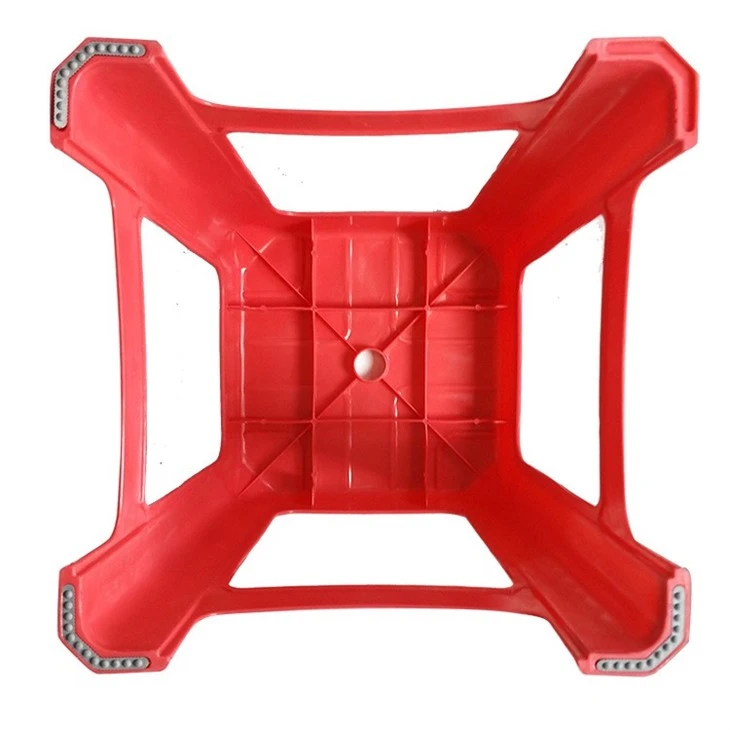
Mould name |
Plastic stool mould |
|
Plastic resin |
PP, PC, ABS |
|
Numbers of mould cavity |
Single cavity |
|
Gate and runner |
Hot runner or cold runner |
|
Core and Cavity steel |
P20/718/H13/2344/S136 steel |
|
Mould base steel |
1045 steel |
|
Surface finish |
Polishing |
|
Injection machine specification |
500 Tons |
|
Mould manufacturing time |
60 days for T1 mould trial |
|
Cycle time |
55-60s |
|
Mould life |
≥ 300,000 shots |
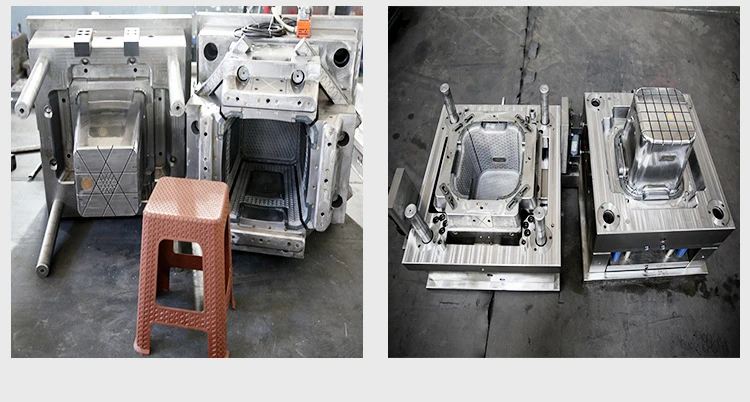
To make a good quality injection mould for plastic stools, you can follow these general steps:
- Design: Start by creating a detailed and precise design for the injection mould using computer-aided design (CAD) software. Consider factors such as parting line, gating system, cooling system, and ejection system.
- Material selection: Choose high-quality mould steel based on the expected production volume and the type of plastic material to be used. The material should have good hardness, wear resistance, and thermal conductivity.
- Machining: Use precision machining techniques such as milling, turning, and grinding to accurately shape the mould components according to the design. Pay special attention to critical areas like the core, cavity, and sliders.
- Heat treatment: Apply appropriate heat treatment processes to enhance the hardness and strength of the mould components. Common heat treatment methods include quenching and tempering.
- Surface finish: Polish and texture the mould surfaces as per the desired finish of the final product. A smooth and polished surface will result in a better appearance of the plastic stool.
- Cooling system: Design an efficient cooling system within the mould to ensure proper cooling of the plastic material during the injection molding process. Proper cooling helps in reducing cycle time and improving the quality of the final product.
- Good venting: Adequate venting is essential to reduce defects such as air traps, burns, and warpage in the final product.
- Assembly: Assemble the mould components accurately, ensuring proper alignment and fit. Pay attention to details such as ejector pins, guiding systems, and locking mechanisms.
- Testing and adjustment: Conduct thorough testing of the mould with trial runs to identify any issues or defects. Make necessary adjustments or modifications to optimize the mould performance and product quality.
- Maintenance: Regularly maintain and clean the mould to prevent wear, damage, or contamination. Lubricate moving parts and replace any worn-out components to ensure consistent quality and prolong the mould's lifespan.
- Continuous improvement: Monitor the production process and collect feedback to identify areas for improvement. Implement corrective actions and modifications to enhance the mould's performance and quality over time.
Any question or interested, contact us today to talk about your needs for plastic stool mould.
Hot Tags: plastic stool mould, China plastic stool mould, laundry machine mould, plastic desk mould, truck fog light mould, back lamp mould, basin mould, Pet Cage Mould
Previous
Plastic Chair MouldYou Might Also Like


Send Inquiry