

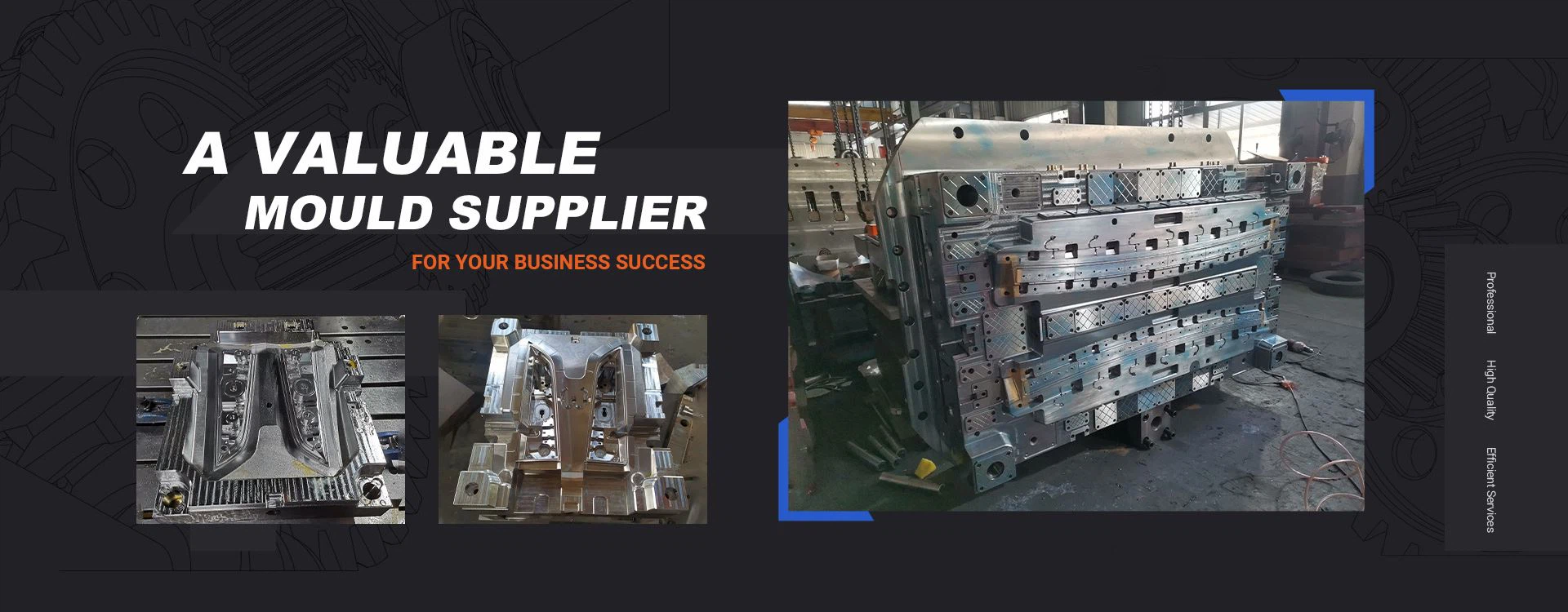


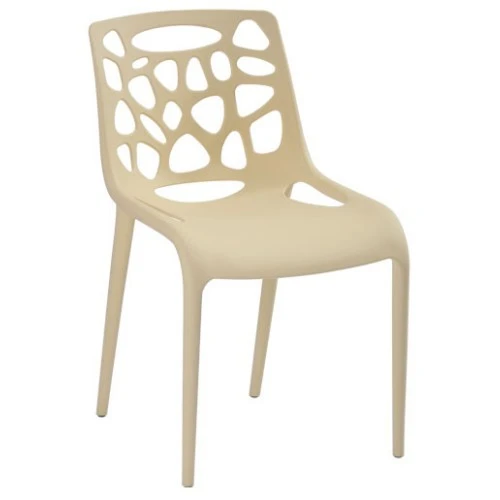
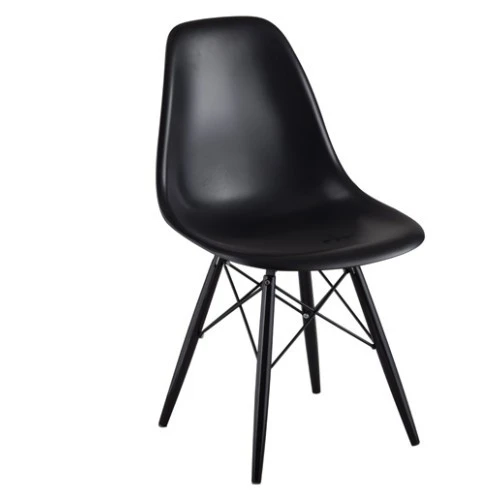
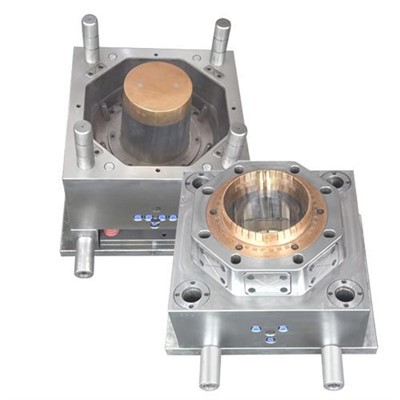
Plastic Chair Mould
Products Description
|
Mould name |
Plastic chair mould |
|
Plastic resin |
PP, PC, ABS |
|
Numbers of mould cavity |
Single cavity |
|
Gate and runner |
Hot runner or cold runner |
|
Core and Cavity steel |
P20/718/H13/2344/S136 steel |
|
Mould base steel |
1045 steel |
|
Surface finish |
Polishing |
|
Injection machine specification |
1000 Tons |
|
Mould manufacturing time |
60 days for T1 mould trial |
|
Cycle time |
55-60s |
|
Mould life |
≥ 300,000 shots |
Welcome to our factory, a professional mould maker for plastic chairs.
Here are some tips for plastic chair mould designing and manufacturing.
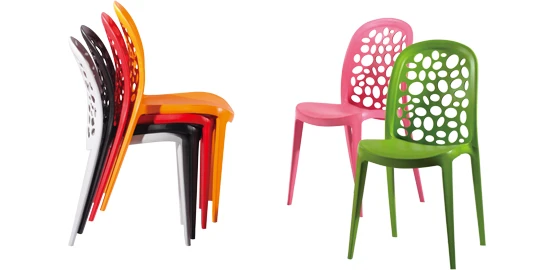
Design of plastic chair
The design of a plastic chair made by plastic injection molding requires a balance of technical, functional, and aesthetic considerations. A well-designed plastic chair can offer numerous benefits in terms of cost-effectiveness, versatility, and sustainability.
Firstly, the chair design should be suitable for plastic injection molding. This means that the design should consider the limitations and requirements of the injection molding process, such as moldability, draft angles, wall thickness, and gate placement. The design should also avoid undercuts and complex geometries that may increase production costs or cause defects.
Secondly, the chair design should be functional and ergonomic. It should provide adequate support and comfort for the user, taking into account factors such as weight distribution, sitting posture, and armrest height. The chair should also be stable and durable, able to withstand normal wear and tear without cracking, warping, or breaking.
Thirdly, the chair design should be aesthetically pleasing and consistent with the brand or style preferences. It can incorporate various surface textures, patterns, and colors to enhance the visual appeal and differentiate it from competitors.
Proper venting
Venting is an essential aspect of plastic chair mould. It refers to the process of allowing air to escape from the mould cavity during injection. Proper venting is crucial for ensuring the quality of the final product and preventing various molding defects.
Air Traps Prevention: Air traps occur when air gets trapped inside the mould cavity during injection, leading to incomplete filling and visible defects on the chair's surface. Adequate venting helps to prevent air traps by ensuring that the displaced air can escape through designated vent channels.
Vent Placement: Vents should be strategically placed in areas where air is likely to get trapped, such as corners, ribs, and thick sections of the chair. They are typically located at the end of the flow path or at the farthest point from the gate. The size and number of vents required depend on factors like material viscosity, mold temperature, and part geometry.
Vent Design: Vents are usually thin slots or channels that allow air to escape while preventing plastic material from flowing out. The width of the vent should be small enough to prevent flash formation but wide enough to allow smooth air evacuation. A typical vent width ranges from 0.02 mm to 0.08 mm.
Gate Placement
The placement of gates, through which the molten plastic enters the mould cavity, is essential for achieving optimal filling and minimizing defects. Consider gate location to ensure even flow of plastic, avoid weak spots, and facilitate easy part ejection. Common gate types for chair moulds include edge gates, tab gates, and fan gates.
Cooling System
Efficient cooling is critical for achieving faster cycle times and consistent part quality. Design an effective cooling system with appropriate water channels or heat pipes to promote rapid heat dissipation. Optimal cooling helps prevent warpage, reduce cycle times, and improve overall productivity.
Ejection System
A well-designed ejection system ensures easy and safe removal of the molded chair from the mould. Incorporate features such as ejector pins, sleeves, or lifters strategically to ensure smooth part ejection without causing any damage or distortion.
Parting Line and Split Lines
The parting line is the line where the two halves of the mould (core and cavity) meet. The split lines refer to the interfaces between multiple mould plates or inserts. It is crucial to ensure proper alignment and precision of these lines to achieve accurate part geometry and prevent flash or mismatch issues.
Mould Inserts and Slides
Mould inserts are used to create specific features in the chair, such as inserts for metal reinforcements or threaded inserts. Slides are movable components that allow the creation of undercut features or complex shapes in the chair design.
Mould Surface Finish
The surface finish of the mould cavity impacts the final appearance and texture of the plastic chair. It is essential to choose an appropriate surface finish, such as high polish or texture, based on the desired chair aesthetics.
These are some of the key features of a plastic chair mould. The specific design and features will vary depending on the chair design, material, and production requirements. It is recommended to consult with our team who can provide customized solutions based on your specific needs.
Hot Tags: plastic chair mould, China plastic chair mould, jug mould, plastic wheel cover mould, vegetable crate mould, plastic sofa mould, chair mould, vertical air conditioner mould
Previous
Plastic Crate MouldYou Might Also Like



Send Inquiry