

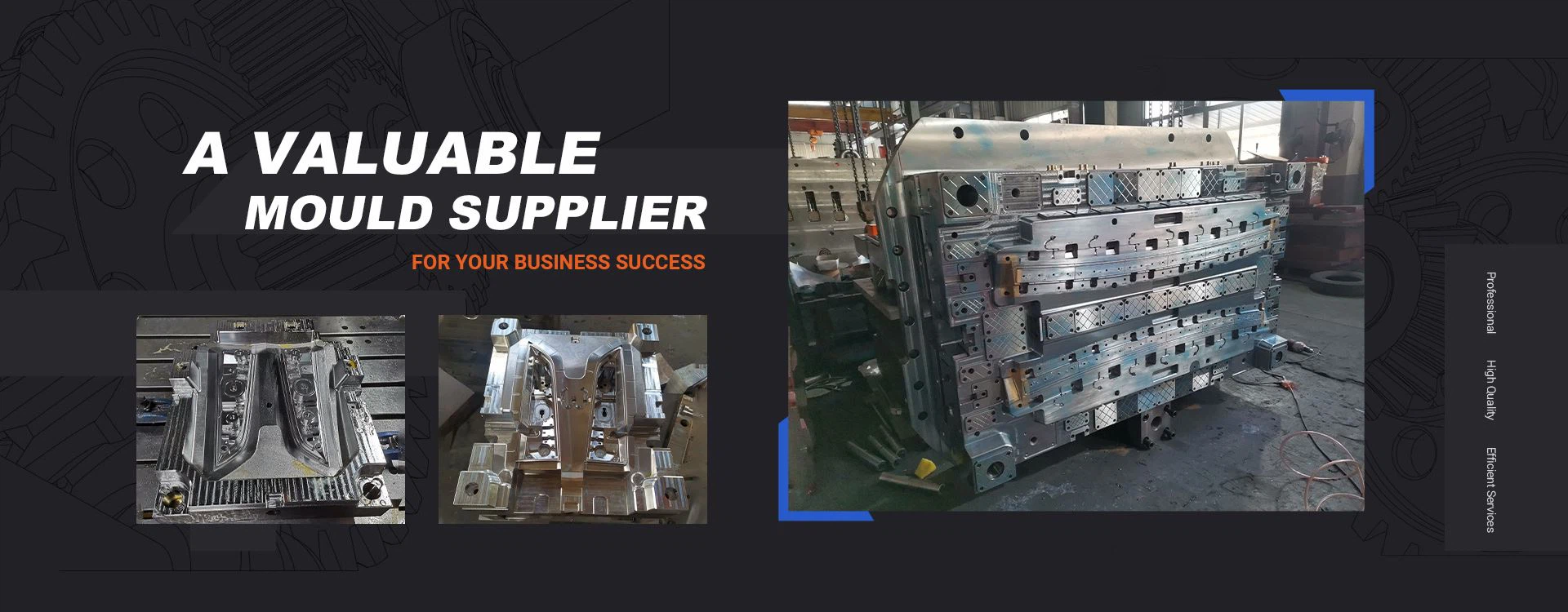


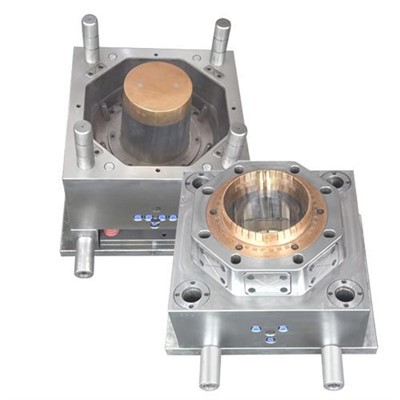
Plastic Crate Mould
Products Description
|
Mould name |
Plastic crate mould |
|
Plastic resin |
PP, PE |
|
Numbers of mould cavity |
Single cavity or 2 cavities |
|
Gate and runner |
Cold runner or hot runner |
|
Core and Cavity steel |
P20/718/H13/2344/S136 steel |
|
Mould base steel |
1045 steel |
|
Surface finish |
Polishing |
|
Injection machine specification |
600 Tons |
|
Mould manufacturing time |
50 days for T1 mould trial |
|
Cycle time |
35-40s |
|
Mould life |
≥ 500,000 shots |


Plastic crate, also called logistics box, is playing an important role in the entire transportation process. It is mostly used for transporting goods ranging from vegetables and fruits, home appliances, machinery to large containers. Plastic crates can be matched with a variety of logistics containers and workstations, and are used in various situations such as warehouses and production sites.
The quality of a plastic crate depends on the processing of the mould making. Nowadays, there are many manufacturers of plastic crate mould, and the mould steels used are also different, but a truly professional mould manufacturer can better understand how to make the a good mould satisfied by customers.
Mould design
Plastic crates are large and medium-sized plastic items and have many similarities in structure. Moldflow analysis will be used during mould design process. That helps to optimize the mould design. According to different customers' requirements, the mould could take cold runner or hot runner system. Hot runner can optimize the mould structure and shorten the molding cycle. Mechanical ejection ensures the mould actions reliable.
Mould steel material recommendations
Generally, if the production volume is huge, we strongly recommend that the mould base be made of 45# steel, and the core, cavity and slider be nitrided with 718H. The mould life will be at least 1,000,000 shots.
If the production volume is not huge, the mold base could be made of 45# steel, and the core, cavity and slider are made of nitrided P20. The mould life can be at 500,000 shots.
Heat treatment of mould steel
It is strongly recommended to take three times treatments for mould steel: first time is tempering, the second time is vacuum treatment with a hardness of 42-46 degrees, and the third time is tempering at a temperature of 48 hours. The most important thing is to control the distance between each piece of steel in the furnace, so that each piece can be treated evenly and avoid cracking caused by local too hardness.
Tooling process
This process includes face milling, CNC milling, drilling, boring, EDM, grinding and polishing etc. We have strict requirements for every process, because once a mistake occurs in a certain link, subsequent work will be impossible to proceed.
Mould trial and improvement
After plastic crate mould is completed, the mould is moved to the injection molding machine for mould testing. Based on the molded samples, we will do improvements on the mould. Mould trial is a very important step, and problems would be discovered after mould trial. Problems will be figured out and we will do mould trial again till quality perfect.
To help customers increase production efficiency, we developed plastic crate mould with 2 cavities to keep our customer leading on the worldwide market.
There are several advantages to using a 2-cavity mould as follows.
- Increased production efficiency: With a 2-cavity mould, two identical crates can be produced in each moulding cycle. This significantly increases the production output compared to a single cavity mould. It allows for higher production volumes and faster manufacturing times, leading to improved efficiency.
- Cost-effectiveness: The increased production output achieved with a 2-cavity mould reduces the overall cost per part. By producing two parts simultaneously, the moulding process becomes more cost-effective, as it maximizes the utilization of resources such as machine time, energy, and labor.
- Improved productivity: A 2-cavity mould enables higher productivity levels as it produces more parts with each injection cycle. This is particularly beneficial for high-volume production runs where maximizing output is crucial.
- Reduced tooling costs: Compared to using two separate single cavity moulds, a 2-cavity mould requires a lower initial tooling investment. The cost of manufacturing and maintaining a single mould is generally less than having two independent moulds for the same production volume.
- Consistent part quality: The use of a 2-cavity mould ensures consistent part quality between the two cavities. The design symmetry helps maintain uniformity in terms of dimensions, features, and characteristics of the plastic crates. This consistency is important for ensuring product performance and fit.
- Simplified logistics: Using a 2-cavity mould reduces the number of moulds that need to be transported, stored, and maintained. This simplifies logistics and inventory management, saving time and effort in handling and organizing moulds.
- Overall, a plastic crate mould with a 2-cavity design offers advantages in terms of increased production efficiency and cost-effectiveness. These benefits make it a preferred choice for manufacturers aiming to optimize their plastic crate production processes.
Hot Tags: plastic crate mould, China plastic crate mould, auomotive light bar mould, cat cage mould, Air Cooler Mould, paint bucket mould, Reflector Mould, instrument panel mould
Previous
Plastic Bucket MouldYou Might Also Like


Send Inquiry