



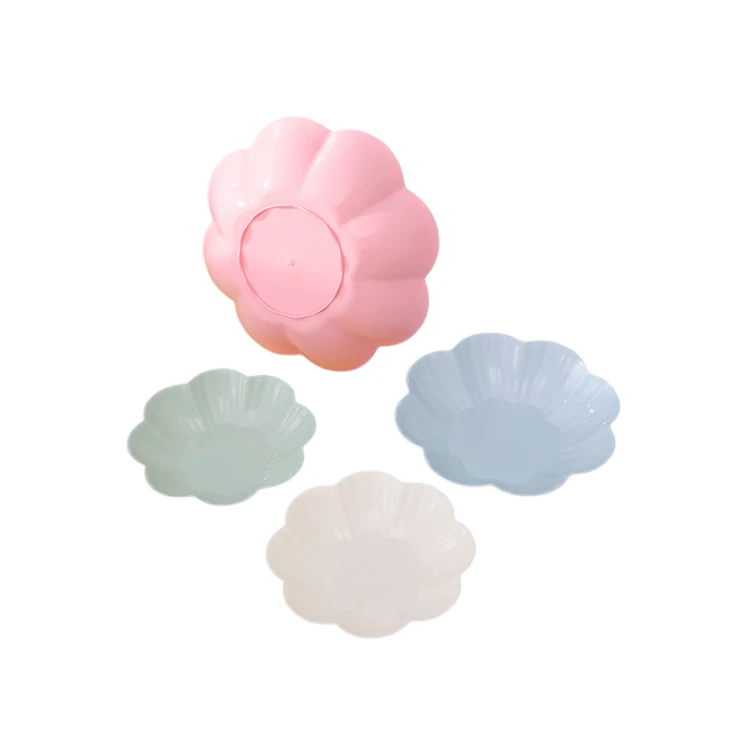

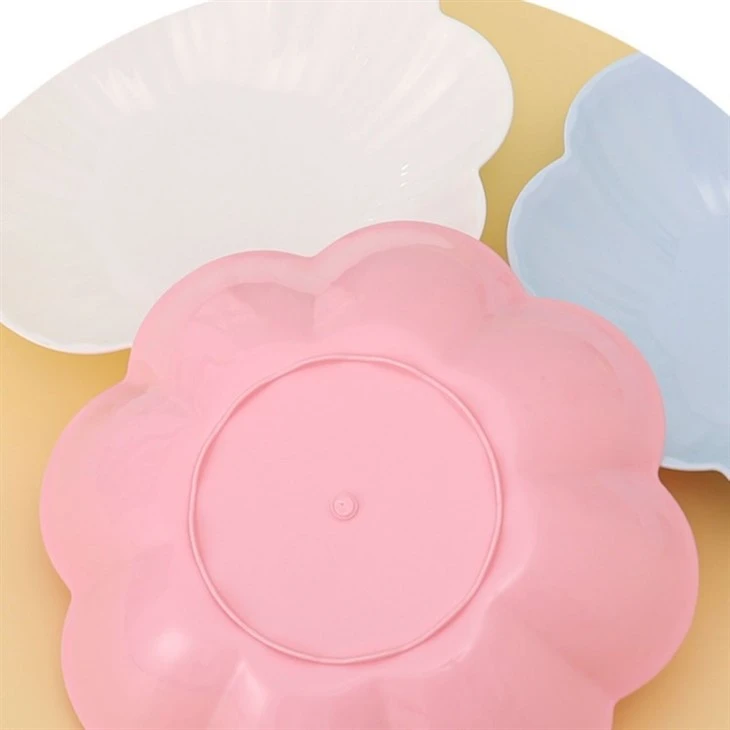
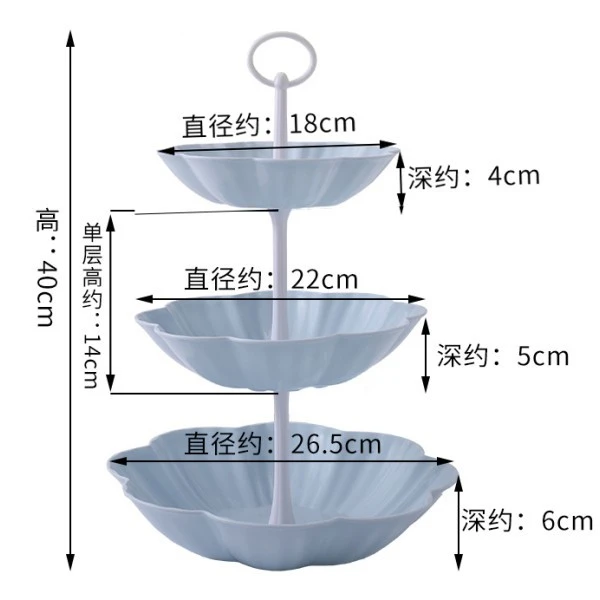
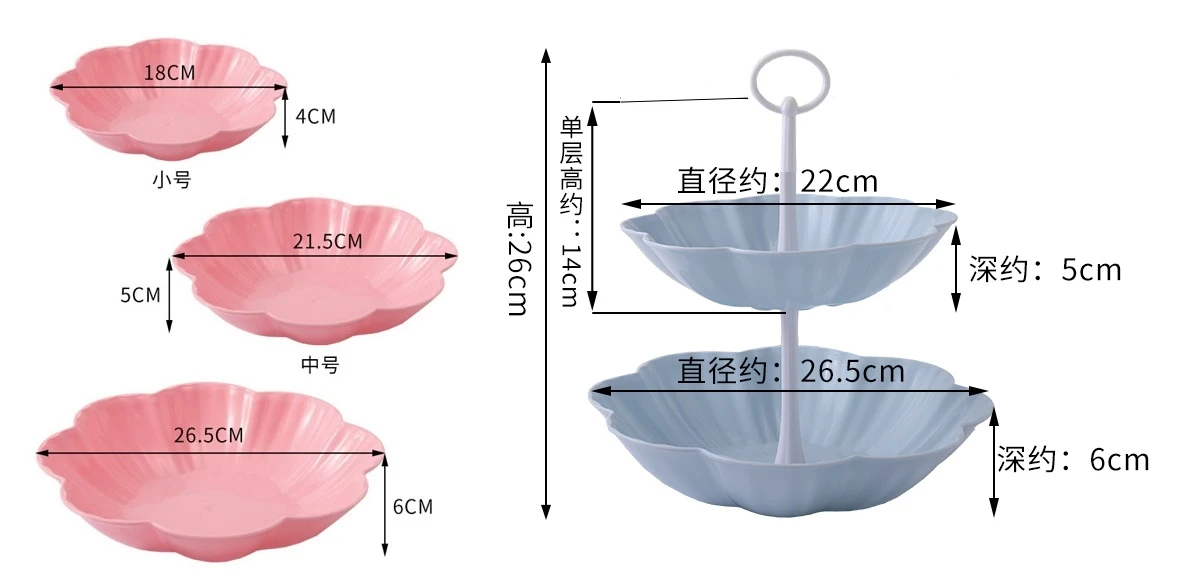
Plastic Dish Mould
Products Description
|
Mould name |
Plastic dish mould |
|
Plastic resin |
PP |
|
Numbers of mould cavity |
Multi cavities or single cavity |
|
Gate and runner |
Hot runner or cold runner |
|
Core and Cavity steel |
P20/718/H13/2344/S136 steel |
|
Mould base steel |
1045 steel |
|
Surface finish |
Polishing |
|
Injection machine specification |
250 Tons |
|
Mould manufacturing time |
60 days for T1 mould trial |
|
Cycle time |
40-45s |
|
Mould life |
≥ 300,000 shots |
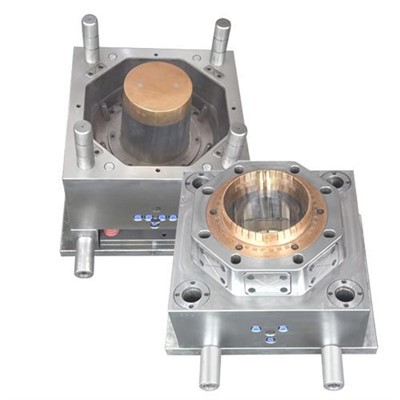
Welcome to our company, a professional mould maker for plastic dish mould.
Sometimes, customers ask which is better for cold runner and hot runner for the mould. Here is the answer.
The decision to use a cold runner or hot runner system for a plastic dish mould depends on various factors, including the specific requirements of the project, production volume, part complexity, material selection, and cost considerations. Let's explore the characteristics of both runner systems:
- Cold runner system: In a cold runner system, the plastic material is injected into the mould through channels (runners) that are typically at room temperature. The material in the runners solidifies and is subsequently ejected along with the part, resulting in waste material (sprue and runners). Here are some considerations for using a cold runner system:
- Lower initial tooling cost: Cold runner systems generally have lower initial tooling costs compared to hot runner systems since they are less complex.
- Material waste: Cold runners generate waste material, which may need to be recycled or disposed of, potentially adding to production costs.
- Cycle time: The presence of cold runners can increase cycle times as the material needs to solidify in the runners before ejection.
- Material selection: Cold runner systems can accommodate a wide range of materials, including those that are sensitive to heat degradation.
- Suitable for lower production volumes: Cold runner systems are often more suitable for lower production volumes where the cost savings from not having a hot runner system outweigh the material waste and longer cycle times.
- Hot runner system: A hot runner system consists of heated channels (runners) that deliver molten plastic directly to each cavity in the mould, eliminating the need for runners and reducing material waste. Here are some considerations for using a hot runner system:
- Reduced material waste: Hot runner systems eliminate the need for runners, resulting in significantly reduced material waste. This can provide cost savings, especially for high-volume production runs.
- Improved cycle time: Since there are no cold runners to cool and solidify, hot runner systems can lead to shorter cycle times, increasing production efficiency.
- Higher initial tooling cost: Hot runner systems are generally more complex and have higher initial tooling costs compared to cold runner systems.
- Material selection: Some materials may not be suitable for hot runner systems due to heat sensitivity or potential degradation. However, many commonly used plastics can be processed using hot runner systems.
- Suitable for higher production volumes: Hot runner systems are often preferred for high-volume production due to the cost savings from reduced material waste and improved cycle times.
Ultimately, the decision between a cold runner or hot runner system for a plastic dish mould depends on the specific project requirements, including production volume, material selection, cost considerations, and desired production efficiency. Consulting with our team can help determine the most appropriate runner system for your specific needs.
And another question, does my mould need mirror polishing?
Mirror polishing is a specialized finishing technique used for plastic dish mould. It involves achieving an extremely high level of surface smoothness and shine, similar to a mirror. Here are some key points about mirror polishing for plastic dish molds:
- Purpose: Mirror polishing is primarily done to improve the appearance and aesthetic appeal of the plastic dishes produced from the mold. It helps in creating a glossy, reflective surface that enhances the visual appeal of the final product.
- Surface Smoothness: Mirror polishing involves removing any imperfections, such as scratches, tool marks, or pitting, from the surface of the mold. This results in an ultra-smooth finish without any visible texture.
- Polishing Process: The mirror polishing process typically involves several steps, including rough polishing, fine polishing, and final polishing. Each step uses progressively finer abrasives and polishing compounds to achieve a smoother surface.
- Manual Labor: Mirror polishing is a labor-intensive process that requires skilled craftsmen. It involves using various hand tools, such as sandpaper, polishing stones, and buffing wheels, to manually remove imperfections and achieve the desired smoothness and shine.
- Time and Cost: Mirror polishing can be a time-consuming and expensive process due to the level of precision and skill required. The complexity of the mold design and the size of the mold can also impact the time and cost involved.
- Benefits: Mirror-polished plastic dish molds offer several benefits. They help in reducing friction during the injection molding process, leading to easier ejection of the molded parts. The smooth surface finish also improves the release properties, minimizing the risk of part sticking to the mold.
- Maintenance: After mirror polishing, regular maintenance of the mold is necessary to preserve the polished surface. This may include cleaning, applying protective coatings, and proper storage to prevent damage or contamination.
Mirror polishing is an optional feature for plastic dish molds, primarily chosen for applications where the visual appearance and surface finish of the plastic dishes are crucial, such as high-end tableware or display items.
Any question or interested, contact us today to talk about your project.
Hot Tags: plastic dish mould, China plastic dish mould, car dashboard mould, garbage can mould, truck bumper mould, oem bumper mould, household cleaner mould, single face pallet mould
Previous
Plastic Cup MouldYou Might Also Like


Send Inquiry