



Plastic Crate Mould
Taizhou Huangyan Pinheng Mould Co., Ltd
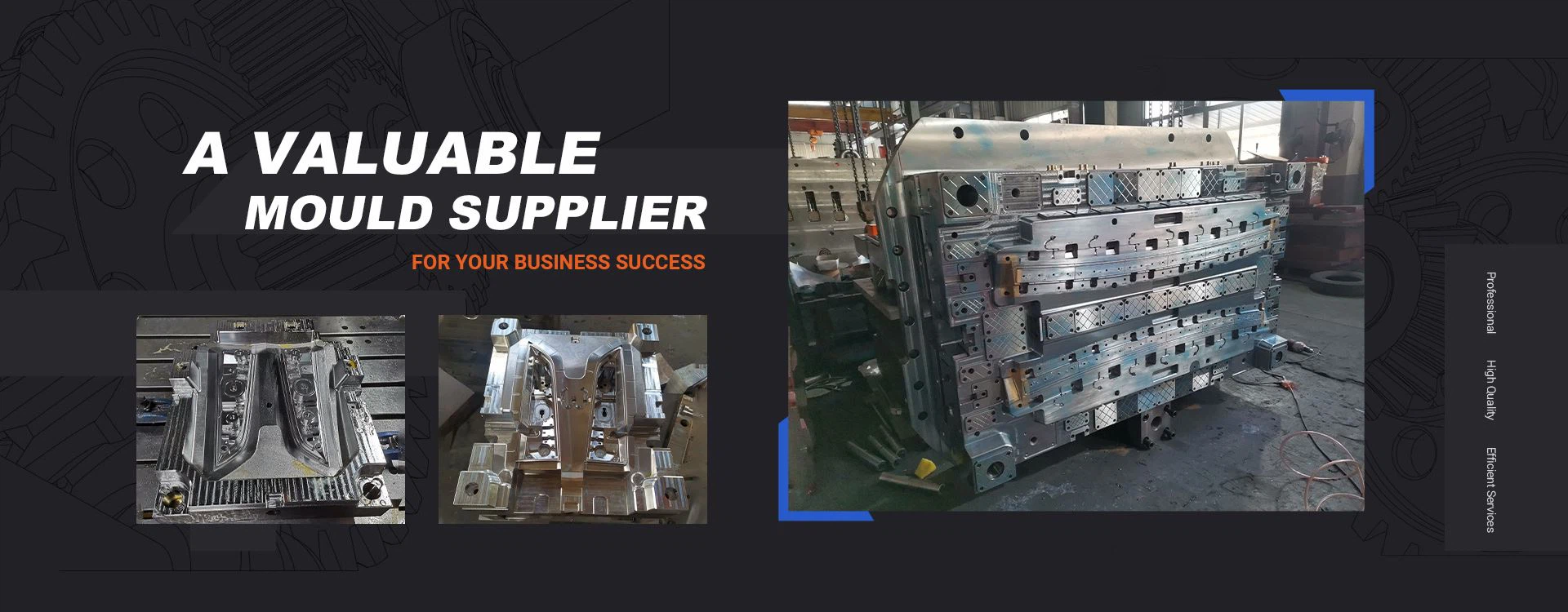
Taizhou Huangyan Pinheng Mould Co., Ltd., a professional mould manufacturer specializing in plastic injection mould since 2003. We take great pride in producing high-quality and innovative moulds for various industries. One of our key strengths is our expertise in mould designing and manufacturing for automotive parts. We excel in producing moulds for automotive components such as headlight, tail light, bumper, grille, rearview mirror housing, and exterior and interior parts. Our commitment to excellence has earned us the trust and loyalty of numerous clients in the automotive industry sector.
Why Choose US
One-stop solution
With rich experience and one-to-one service,we can help you choose products and answer technical questions.
Customization services
They provide customization services to meet specific customer requirements, ensuring that clients receive products that exactly fit their needs.
Innovation
We are dedicated to improving our systems continually, ensuring that the technology we offer is always cutting edge.
24h online service
We try and respond to all concerns within 24 hours and our teams are always at your disposal in case of any emergencies.

Garbage bins, also named trash cans or dust bins, it can be divided into public trash cans and household trash cans depending on the occasion of use. In terms of the form of holding garbage, it can be divided into independent trash cans and classified trash cans. The opening methods include open type, uncovered type, pedal opening type, induction type (infrared), etc. Its capability is from 1L to 240L.

Mini washing machine is more and more popular on market, as it can meet some special people's washing requirements. It is very portable as the outer housing of mini washing machine is usually made of PP + PU, so it could be fold. The mould for outer housing refers to insert molding.
Household Air Conditioner Mould
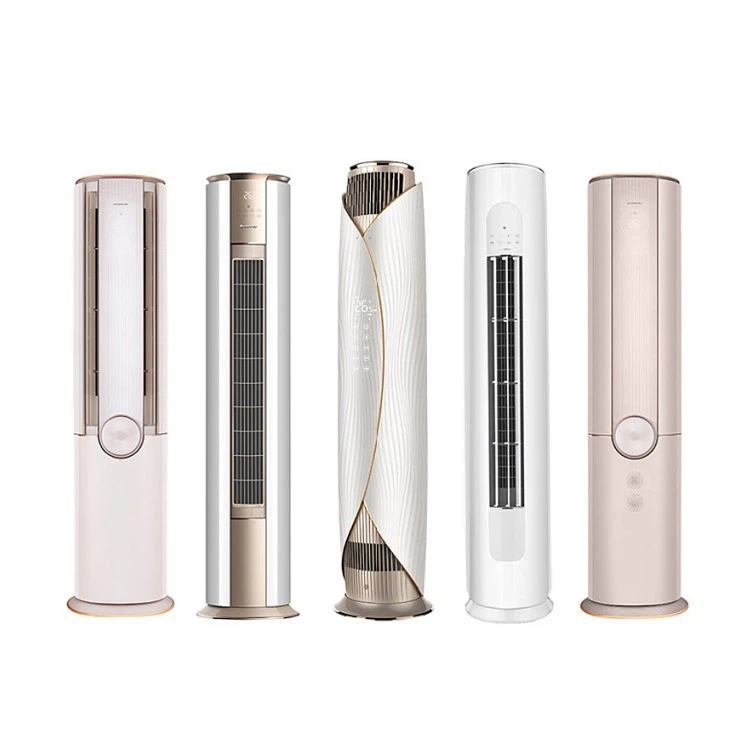
For household air conditioner mould, the choice of steel is critical in manufacturing a high-quality mould. Typically, a high-grade tool steel, such as P20 or 718 or H13, is used due to its ability to withstand the high pressures and temperatures involved in the injection process. After rough CNC machining, the steel is heat treated to increase its strength and durability.

Vacuum cleaner contains tens of plastic components. It usually requires tens of moulds to produce such a product. As vacuum cleaner demands a fashion and shiny shell for a beautiful appearance, the moulds must be with very nice quality. Especially for moulds of panels, the steel material must be good in polishing property. Before mould making, the product design is very important, our engineer will verify the design carefully because we need to assure the plastic shells assemble with each other perfect.

Fan mold steel: Commonly used mold steel 45#, 40Cr, P20, 2738, 2316, 718, 718H, NAK80, S136, etc. General fan mold uses 718 and 2316 materials which can achieve a certain smoothness on the surface of the product, and the mold life is relatively long. If you want the mold quality to be more guaranteed. NAK80 can be selected as the certificate.

Air coolers are divided into two different types as per its application environment: home air cooler and industrial air cooler as well as called chiller.
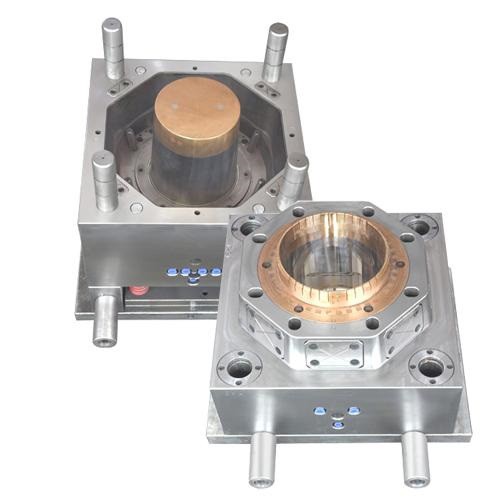
Plastic bucket also was called plastic pail. Due to different market demands, there are various types of plastic buckets. They are with different shapes, materials, sizes and appearance.

The design of a plastic chair made by plastic injection molding requires a balance of technical, functional, and aesthetic considerations. A well-designed plastic chair can offer numerous benefits in terms of cost-effectiveness, versatility, and sustainability.

According to customer's production requirement, we offer tailored mould solution to meet customer's need. Plastic table mould is a middle-large size mould, so steel material selection will affect the mould cost. Generally, we will suggest to use 718 or P20 or 45# steel, depending on every product design requirement and customer's production demand.

Plastic crates, also known as logistics box, is widely used in machinery, automobiles, home appliances, light industry, electronics and other industries. It can resist acid, alkali, oil, dirt, non-toxic and tasteless. It can be used for storing food, etc. It is easy to clean and convenient for parts turnover, stacked neatly for easy management. Its reasonable design and excellent quality are suitable for transportation, distribution, storage, distribution and processing in factory logistics. Plastic crates can be used with a variety of logistics containers and workstations for various warehouses, production sites and other occasions.
Advantages of Plastic Crate Mould
Food safe
One of the primary advantages of using plastic crates for fruits and vegetables is that they are food safe. These crates do not transfer harmful substances or chemicals to the fresh produce they contain. This ensures that your fruits and vegetables remain untainted and safe for consumption.
Hygienic
Plastic crates can be easily cleaned and sanitized, making them a hygienic choice for food storage. They meet strict hygiene standards, ensuring that your produce stays fresh and free from contaminants.
Easy stackable
Plastic crates are designed for easy stacking, maximizing space efficiency during both storage and transport. This stacking capability minimizes the risk of product damage during transit and helps reduce transportation costs.
Less damage
In comparison to alternatives like cardboard boxes, plastic crates result in less damage to the fruits and vegetables. Their sturdy construction and design protect the produce from being crushed or bruised during transportation.
Classification of Plastic Crates According to Thickness of Glue Position
Thin plastic crates
Glue position is about 0.7~1.5mm
Use analysis:Plastic boxes (frames), which are mainly based on packaging and transportation of fruits and vegetables, are mostly non-reusable and have a short service life.
Product technical points:Bottom and four ribs are thin strips with dark flow ribs. Four-corner tube column is used as overall superimposed force point, thickness is greater than other parts, and cooling effect of insert at the hole position is very good.
Raw material selection:PP-based. Mostly used black materials (disposable products)
Crate mould features:Part of structure to pull four slider mechanism (production cycle shortened by 30%)
Conventional plastic crates
Glue position is about 1.5~3mm
Use analysis:Mainly based on transportation, distribution, storage, distribution and processing of plastic boxes (boxes) in factory logistics. Reusable.
Product technical points:Thickness of rib is relatively close to thickness of rim, so shrinkage requirement on the surface of product is relatively high. Haf line along product cannot be misplaced inward.
Raw material selection:PP, LDPE-based (low density polyethylene), partially adding coloring agent.
Crate mould features:Four-slide cylinder action + stripper plate is linked, and spring-loading mechanism must be used for core insertion.
Thickening plastic crates
Glue position is about 3~5mm
Use analysis:Mainly based on plastic boxes(frames) for hardware, machinery, parts and equipment, chemical objects, sturdy and durable.
Product technical points:These products are relatively thick in wall thickness and require high strength testing. Some require anti-acid, anti-alkali, anti-static, anti-oil and flame retardant requirements.
Raw material selection:HDPE, PP, PVC, most of added titanium dioxide commonly known as white ash powder.
Crate mould features:Most gates are edge gate, thicker exhaust and cooling system needs to be good.
Applications of Plastic Crates
Crates in the Dairy Industry
In the dairy industry, milk crates serve an extremely important means to supply milk cans and packets across cities and towns. They are also important and efficient in shipping milk across long distances, holding them firmly and avoiding spillage. While compared to wooden and cardboard crates used in the prior years, plastic crates have now become an increasingly gained market due to their lightweight and resilient structures. Typically made of polyethylene (PE), plastic milk crates are resistant to repeated washing and ensure more hygiene in the supply process.
Agriculture Uses
Plastic crates are important and play a very important role in the agriculture industry, facilitating a hygienic and efficient transportation process. These are suitable alternatives to the other ones such as traditional wooden and cardboard counterparts as plastic crates resist the growth of fungi within them. As a result, plastic bins and crates are gaining popularity in the market and are chosen for the transport of agricultural produce, soil, and seeds on a large scale. Moreover, plastic crates are also resistant to extreme weather conditions, which aids in the secure transportation of perishable agricultural products in the industry. The nature of the products to be transported in the agro-industry requires extra care to be taken in terms of hygiene and proper maintenance. Plastic allows for increased efficiency as an element in the supply and transportation of such products.
Fishing Industry
Fisheries utilize plastic crates and also plastic fish tubs and ice boxes to prevent fish perishing while being transported. As a poor conductor of heat and resistant to rain, heat, and other harsh weather conditions, closed plastic crates protect the ice within the crates and containers from melting and ensure that the fish stored within remains fresh even after being transported across long distances. Moreover, cleaning plastic crates can also be done for the purposes of hygiene. This can be more easily done compared to crates made from other materials. Thus, even in case of spillage, these may be cleaned more easily and hygienically maintained. In this industry rust is not allowed, therefore plastic containers are more suitable when storing and transporting fish.
Vegetables and Fruits
Transporting fruits and vegetables across long distances requires special care and hygiene to be practiced as these are perishable and easily affected by harsh weather conditions. Plastic crates are popular options for transporting such goods, because they are compact and resist external deterrents. A variety of fruits and vegetables are transported everyday, in plastic crates, from one place to another. In fruit and vegetable transportation, the storage of these crates may be done in in-built systems of pallet storage, before they are further transported to the markets.
Grocery Stores Uses
Another major domain that utilizes plastic crates is the grocery industry. They utilize plastic crates in the storage and transportation of grocery items and also aid customers to carry them easily around within supermarkets. These crates may be used to carry packaged grocery items that need to be supplied to the markets efficiently. The ease of transportation of even bulky grocery items is ensured by the plastic crates' durability and resilience of these crates.
Crate mold design requirements include: mold structure type, mold external size, number of cavities, runner form, product demolding method, etc.
Generally, the crate mold is a four-slider structure. The slider is heated and easily damaged during the continuous sliding process. Therefore, the material requirements of the slider are relatively high. The inside of the slider must be connected to the waterway. The waterway must Reasonable, so as to improve the production cycle of the product, the contact between the slider and the core must be added with wear blocks.
The number of cavities of the mold: Generally, crate molds can only produce one, and those who can produce 2 are considered as relatively powerful companies. can produce 4 each to ensure product production efficiency and save individual products. Processing cost.
Runner: Uses a multi-point gate hot runner. After the mold is opened, there will be no product waste, which directly saves the cooling time of the runner and effectively improves production efficiency.


The size accuracy and precision of the crates are affected by the time of holding pressure before the melting material is frozen at the gate. The holding time of the crate depends on the material temperature, mould temperature, the size of the main flow channel and the gate. If the dimensions and process conditions of the main channel and gate are normal, then the pressure value with the smallest fluctuation range of the crate shrinkage rate shall prevail. The cooling time of the crate mainly depends on the thickness of the crate, the thermal properties and crystallization properties of the plastic, as well as a series of factors such as mould temperature. At the end of the cooling time, plastic crates should be guaranteed to meet the requirements, and then demoulding. If the cooling time is too long, it will not only reduce production efficiency, but also cause difficulty in demoulding complex parts, and even demoulding stress will be generated during forced demoulding. Other factors affecting the moulding cycle include whether the moulding process is continuous and automated.
Therefore, in the plastic crate moulding process, should be in the premise of ensuring high quality, to shorten the moulding cycle of each stage of time. In the whole moulding cycle, injection time and cooling time are the most important, they have a decisive impact on the quality. The filling time in injection time is directly inversely proportional to the filling rate, and the filling time in production is generally about 3-5 seconds. The pressure holding time in the injection time is the pressure time on the plastic in the mould cavity, which accounts for a large proportion in the whole injection time.
Plastic Crates vs. Wooden Crates
Plastic crates can be compared and contrasted to wooden crates in the following aspects:
Plastic Crate Safety
The handling of plastic crates is safer than that of wooden crates because of their design, low weight, and smooth finishing. The weight of plastic crates is significantly lower than that of wooden crates. The back injuries associated with the worker are reduced through the use of plastic crates.
Space Savings
Plastic crates save space relatively to wooden crates and because of that, they reduce the shipping and storage costs. Plastic crates can be easily stacked on the top of each other to save storage space.
Ease of Use
Plastic crates are uniform, have a variety of designs, and have ease of maneuverability, therefore are easier to handle.
Crate Versatility
Plastic crates have a higher versatility than that of wooden crates. They can be used in warm and cold conditions from -22°C to +60°C without any damage, unlike wooden crates that can easily damage by even mild temperature changes. Plastic crates have a UV rate that is very high.
Ease of Cleaning
Plastic crates are easy to clean and therefore much more hygienic than wooden crates. Their hygienic properties are of importance in agriculture, pharmaceutical industries and food industries. Plastic crates are easy to clean with steam or water or solvents while on the other hand, wooden crates get damaged when they come into contact with steam and water or solvents.
Designing crates can be in two configurations, the open and closed configurations. Closed plastic crates are designed with detachable or hinged lids, while open crates are designed without lids and can feature a grid pattern for clear visibility of the contents contained. There is high demand for plastic crates from the delivery industries and food services. Most food stuffs such as dairy products, bread, beverages, meats, seafood, and other food items are transported in plastic food crates.
Plastic crates are often found in general storage in places such as warehousing facilities to organize, store, and transport goods. They are made with handles for easy lifting and handling and are designed so that they can be stacked or nested for easy storage and maximize storage in warehouses. There are different shapes, sizes, and colors of the plastic materials used to make crates. They are made to withstand different temperatures, other loaded and stacked crate weights, and impacts.
Plastic crates are manufactured using a process called plastic injection molding. An injection mold is a machine that uses a raw plastic product or stock and processes it into a usable product. The plastic injection molders start with a stock collection in a hopper that is moved directly into a conveyance channel. A screw will turn according to the conveyance channel, coupled with heating, which helps to liquefy the plastic in preparation for the mold.
A mold is a container that has a shaped cavity that, when filled with liquefied plastic raw materials, gives the plastic its shape when cooled. Under strict and regulated temperature control measures, the newly molded plastic will be allowed to cool and harden. Once hardened, the product or crate is cleansed of imperfections if present using other processes. It is then shipped or sent to additional processing.
Every mold can be designed in such a way that imprinting the customer or molding company's name into the finished product is possible; the mold needs only to be designed with projecting letters positioned appropriately. In many cases, the stock used or the raw material for plastic crate production is made of High-Density Polyethylene (HDPE), which is a thermoplastic known for its durability.
Plastic crates are mostly made of high density polyethylene (HDPE) or polypropylene (PP). Polyethylene has a higher impact strength and a very low degradation by ultraviolet radiation, while polypropylene has a better scratch resistance. To improve the performance of both materials, the addition of antioxidants and UV protectants can be made.
The type of plastic forming process used depends on the form of the plastic crate. Each type of plastic crate has its distinct shape and design that suits one type of fabrication process better than the others.


Injection molding is a plastic forming process that involves injecting molten plastic raw materials into a closed chamber or mold. This process has three main processes:
Grinding and heating the plastic until it flows under pressure.
Injecting the plastic inside the mold and allowing it to cool.
Opening the mold to eject the plastic container.
A reciprocating screw type extruder is used mainly in the industry for plastic making for mixture; there is repeated mixing and kneading of the screw type extruder. When the plastic (raw materials) is ready to be injected, as the screw moves, it pushes the plastic out of the extruder and into the mold.
To make the shape required by the customer, there is a mold designed with specifics that contains a certain shape. Normally it contains two parts or halves with similar features. One does have the ability to move or it remains still while the other part of the mold can move. After molding, the other half can move thus to release the product from the mold in undemented form. The mold contains several or multiple openings or channels. These are used to introduce the plastic into the mold, vent air, and permit some plastic to flow out of the mold.
Injection molding has restricted production when it comes to the production of one sided containers or crates. Tubs, pails, cups, food containers, and bowls are examples. By itself, injection molding is not suited for producing closed, hollow products such as plastic bottles that is why it is suited for the production of open crates. To produce these products, an inert gas is used. This is used because it will eliminate reactions that can incur in the mold when the process is in motion. This is introduced into the mold partially filled with molten plastic. This pushes the plastic onto the surface of the mold producing a hollow part. This process is called gas-assisted injection molding.
The Thermal Forming Process of the Plastic Crate Mould
Thermoforming is the procedure of heating thin plastic sheets to their forming temperature and stretching them over a mold. It is a secondary plastic forming process. It does not make use of raw plastic resin for compounding. Instead, it makes use of a plastic sheet or film made from preliminary steps such as extrusion or calendaring. The processes involved in thermoforming are:
It makes use of the heating of the plastic sheet.
It forms the plastic sheet to give its distinguished 3D shape.
Lastly there is the use of trimming the formed part from the rest of the sheet.
There are four main types of thermoforming which are vacuum, mechanical, pressure, and twin sheet forming. Each procedure varies on how pressure is registered to create the thermoform. Vacuum, pressure, and twin sheet thermoforming all make use of the compressed air to bear down on the plastic sheet instead of the mold. Mechanical thermoforming contains two dies that pin against each other to disfigure the plastic.
Thermoforming is restricted to making parts with fairly thin walls. However, the procedure is susceptible to problems that include inconsistent thickness, warping, and webbing. It is not quite made for the production of containers requiring rigidity.
Common thermoforming containers are the ones that are used for pharmaceutical and food applications. They are designed for single use. Disposable cups, trays, and clamshell containers are examples.
The compression molding process is meant for shaping the plastic resin by making use of pressing it against two molds. This process is mostly chosen when producing large thermosetting plastics products. The steps involved in compression molding are summarized below.
A compounded plastic charge is placed with predefined mass onto the lower mold.
It is compressed with plastic by lowering the upper mold with a certain pressure.
There is curing of the plastic resin.
Lastly, there is cooling and removal of the product from the mold.
Generally, the process of compression press is downward closing. But another pressing known as upward closing compression is also accessible. The mold contains internal heating elements that soothe the plastic charge. This makes the plastic flow according to the shape of the mold. The heat also manages to cure the plastic. During the process of curing, some plastic may eliminate or produce gasses that are removed through an additional phase called degassing.
Compression molding can also be used for molding containers and crates with fiber components. Glass or carbon fibers can be joined while pre-forming the plastic charge.
Such as injection molding which makes use of two mold halves, compression molding is restricted to the production of containers and plastic crates that are open on one side. Examples of compression molding containers that can also be produced using this method are large bins, tubs, and trays. The compression molding process can also be used to make plastic caps for bottles.

FAQ
Hot Tags: plastic crate mould, China plastic crate mould, aftermarket bumper mould, Headlight Mould, Plastic Toy Mould, chiller mould, automotive door handle mould, car storage box mould
Previous
Cable Tie MouldYou Might Also Like



Send Inquiry